Four compiled sites from The Americas: Quebec City / Patagonia / Manaos / Paramaribo

QUEBEC CITY
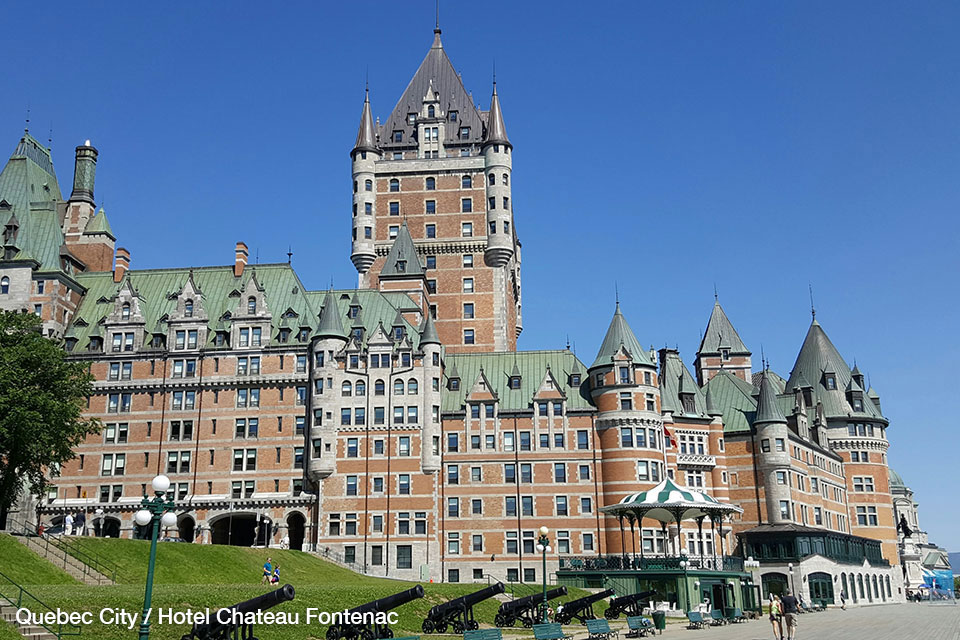
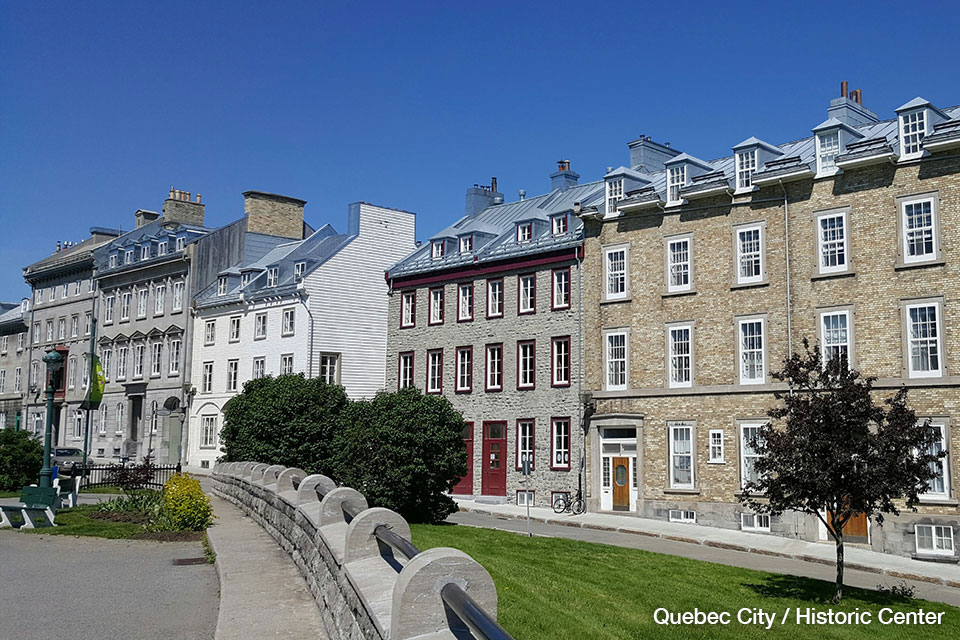
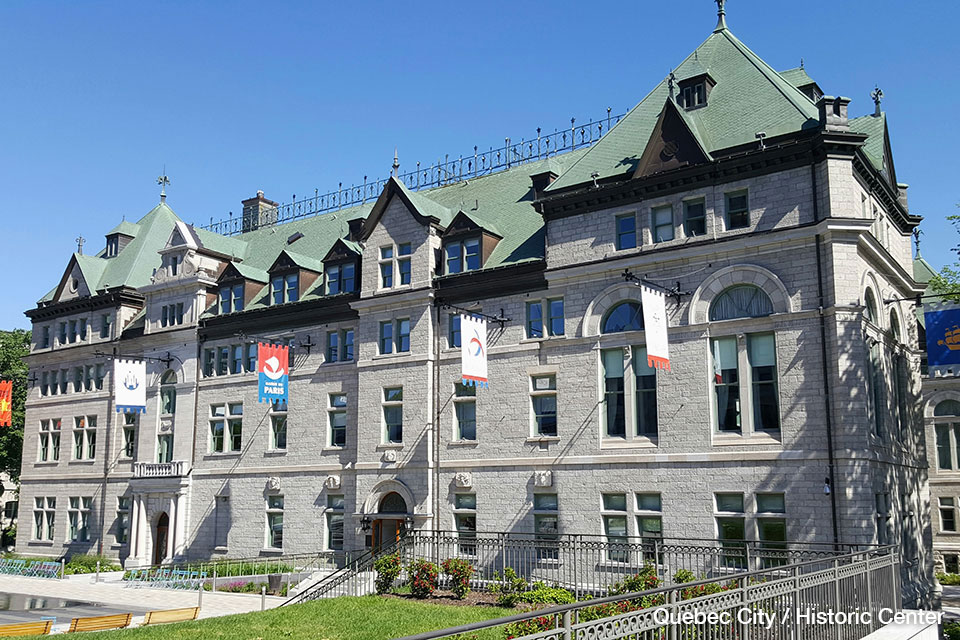
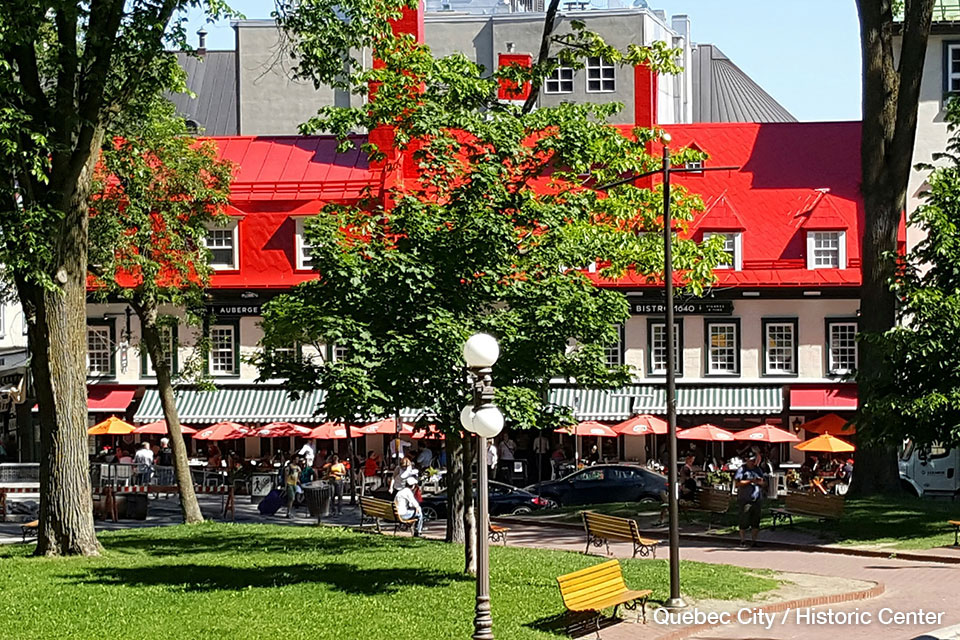
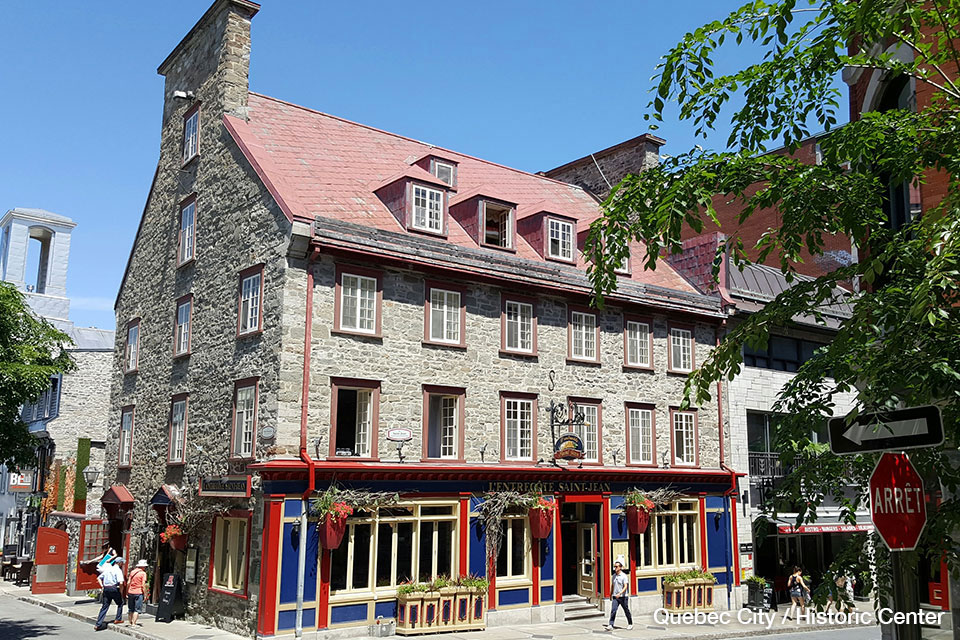
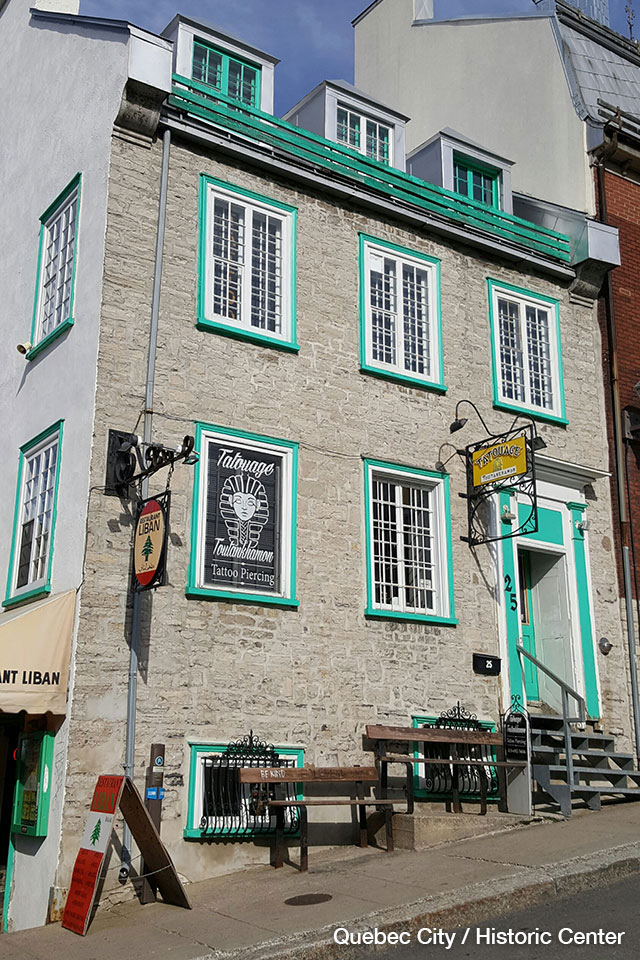
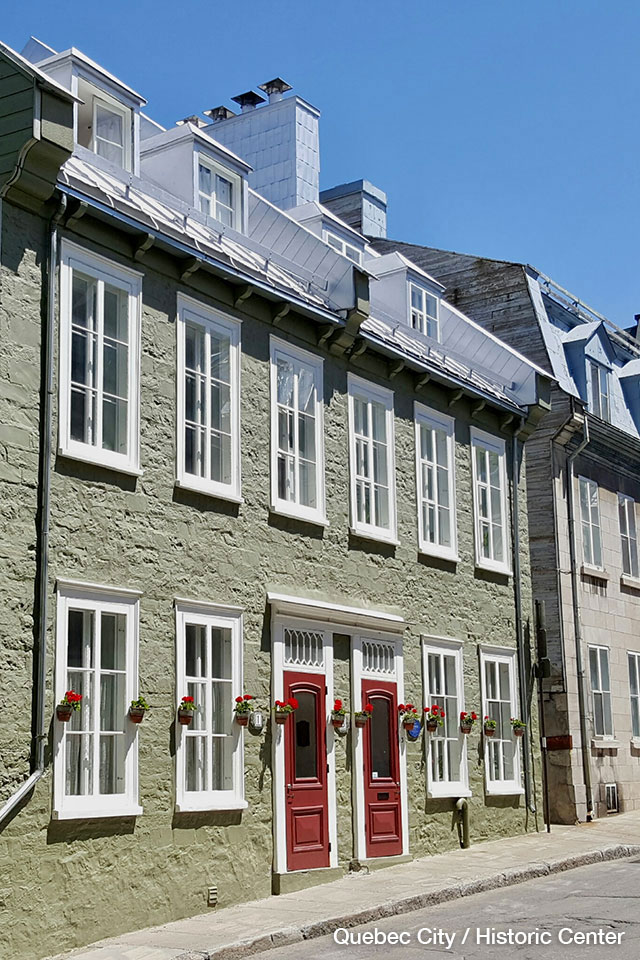
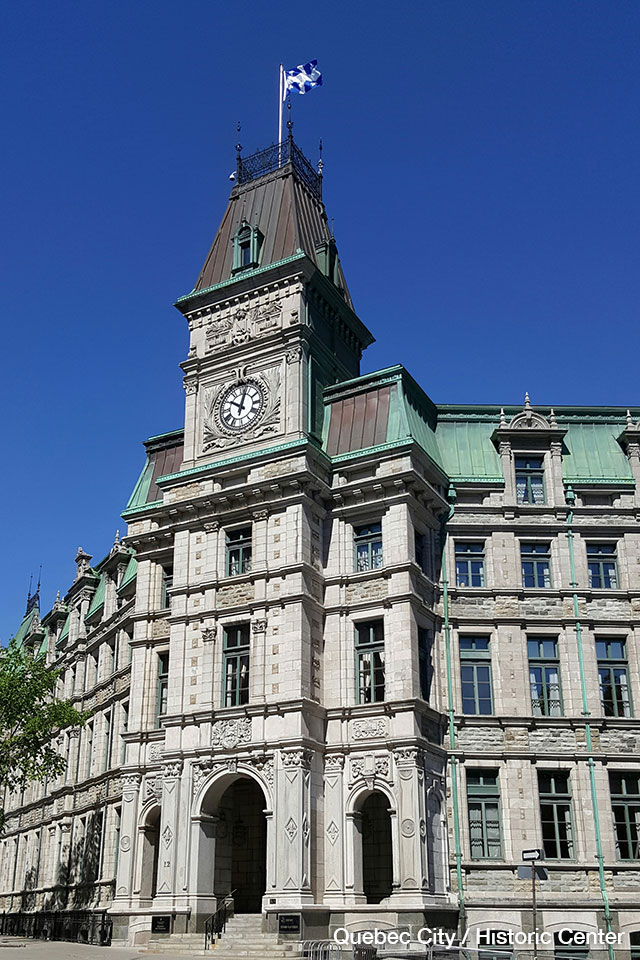
Quebec City is one of the most beautiful cities in all of North America, thanks to its wonderful location, with the old quarter perched high above the Saint Lawrence River. One feels as though in a French city with 18th-century buildings, rather than in North America. The famous Château Frontenac Hotel is an extraordinary building, with an admirable handling of the proportions of its different volumes, which appear perfectly harmonious despite its monumental size. The same is true of its interior decoration, in both the halls and in the rooms.
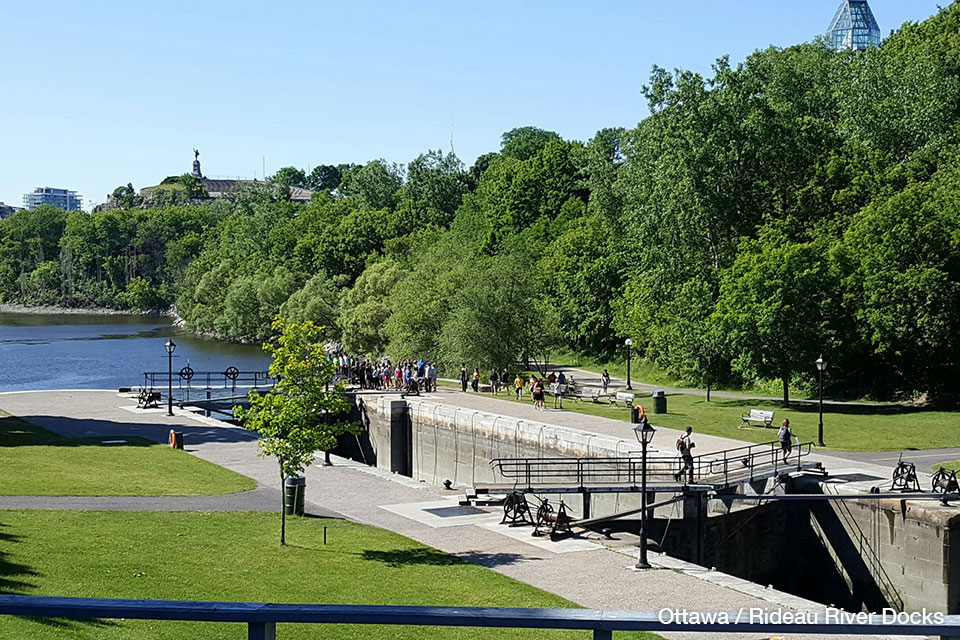
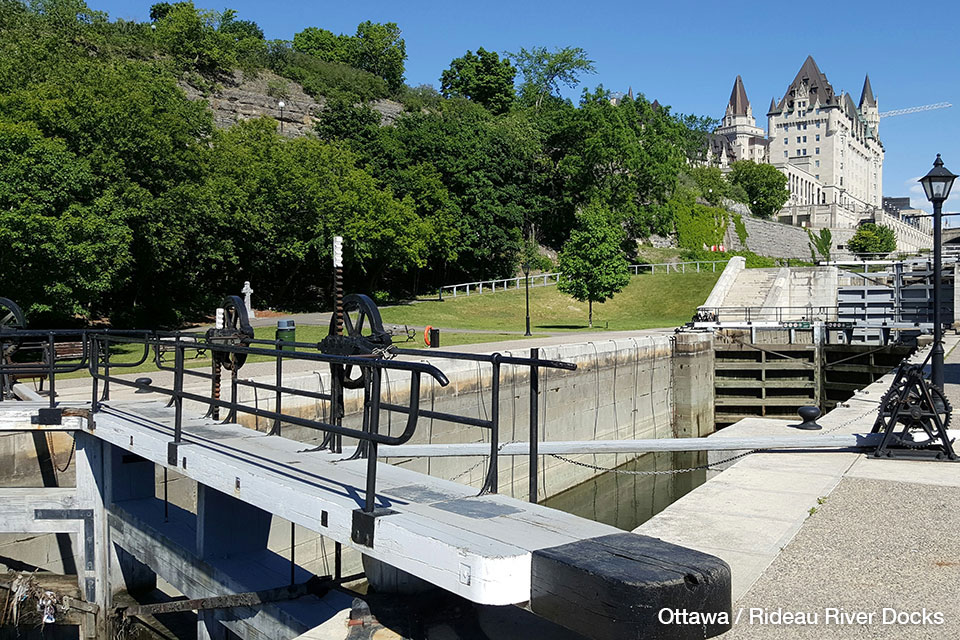
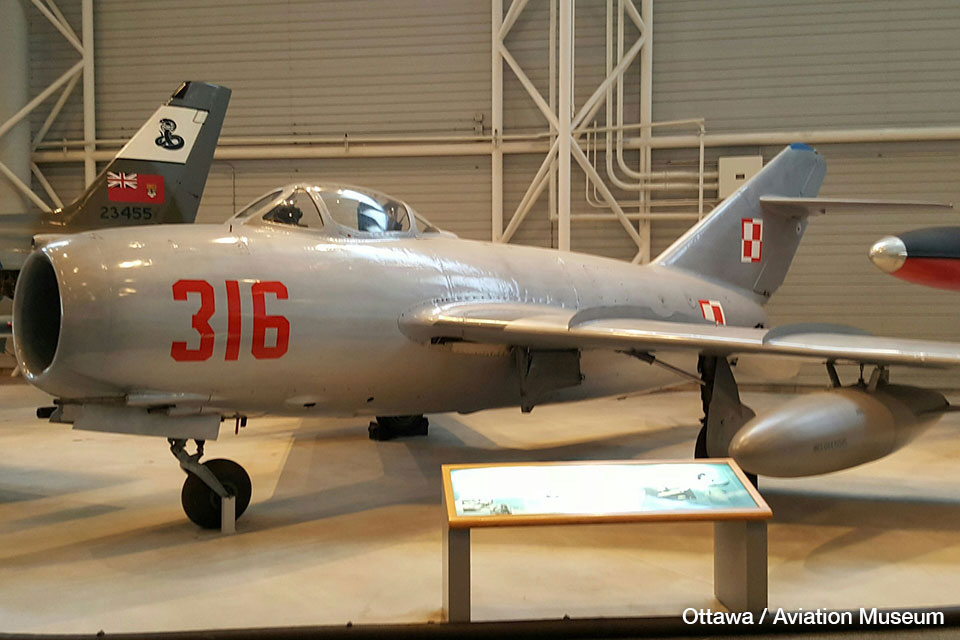
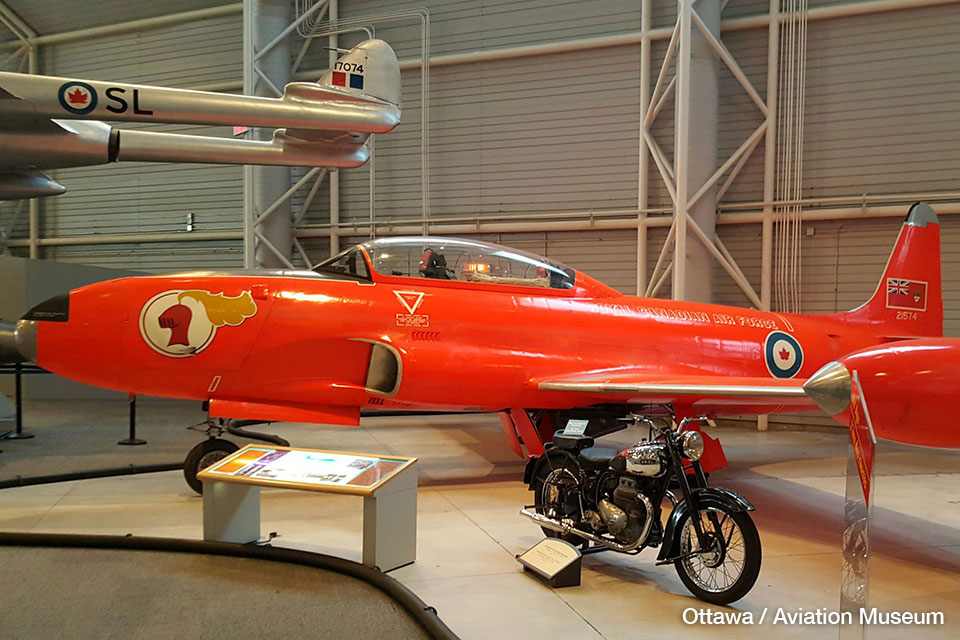
After Quebec City, I went to Ottawa (the capital of Canada) which features an admirable feat of civil engineering, built by the British starting around 1812. Through a series of locks on an artificial canal, the system compensates for the difference in elevation between the Rideau River and the Ottawa River. At the point where the two waterways meet, there is a beautiful public park. Ottawa is also home to a comprehensive aviation museum, which I naturally made sure to visit.
PATAGONIA AND TIERRA DEL FUEGO
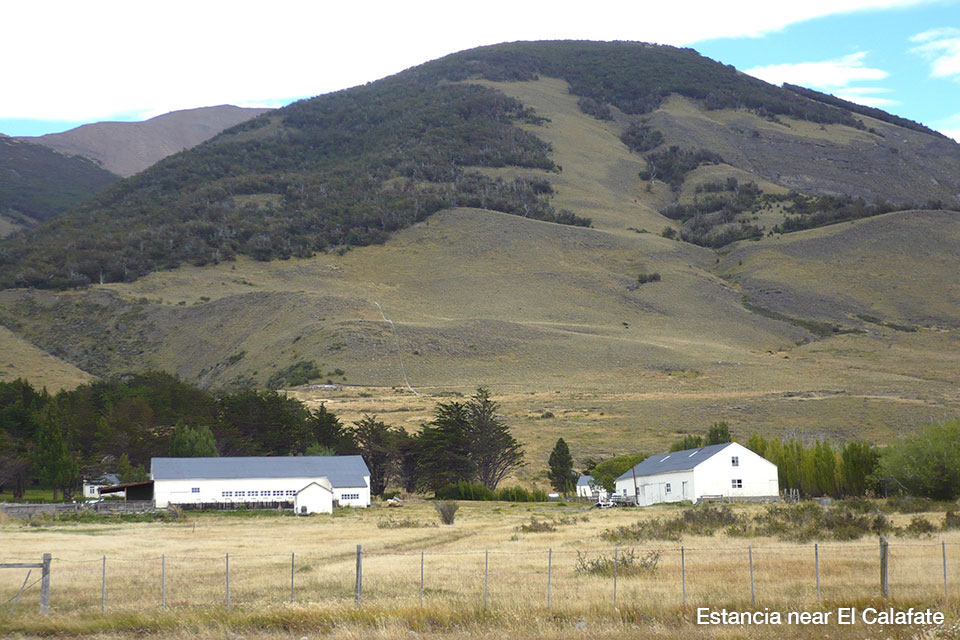
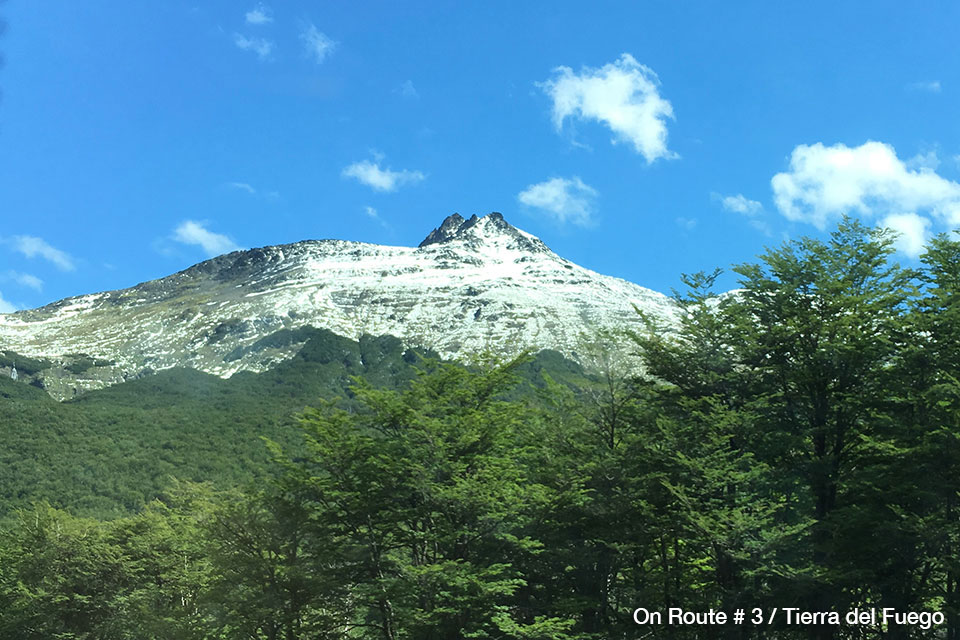
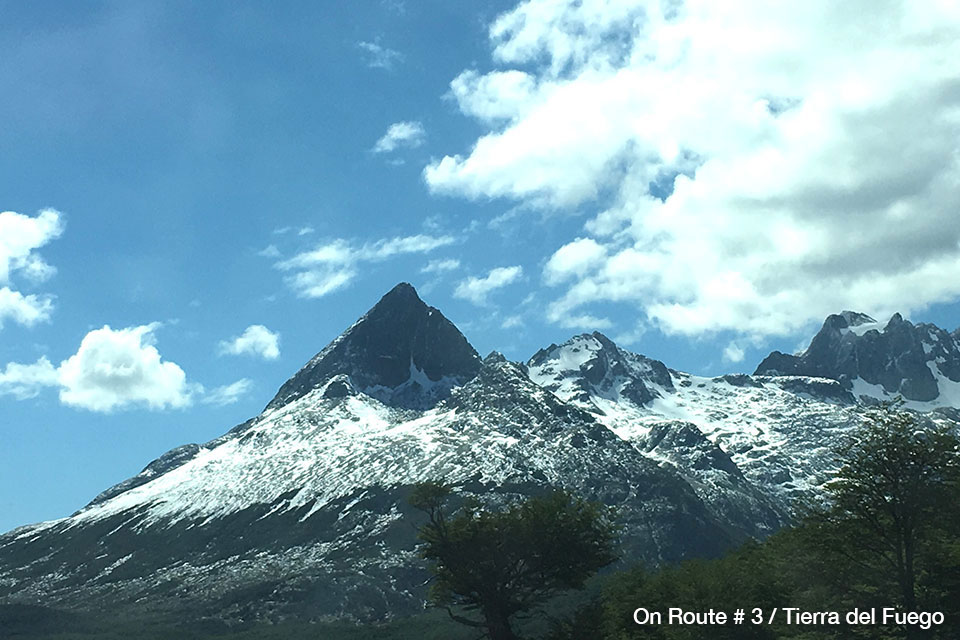
Patagonia and Tierra del Fuego are somewhat mythical names for foreigners, but for those of us who live in Argentina, they are deeply familiar. Everyone knows the immense wealth found in the subsoil and in the Atlantic Ocean, as well as its renowned natural beauty.
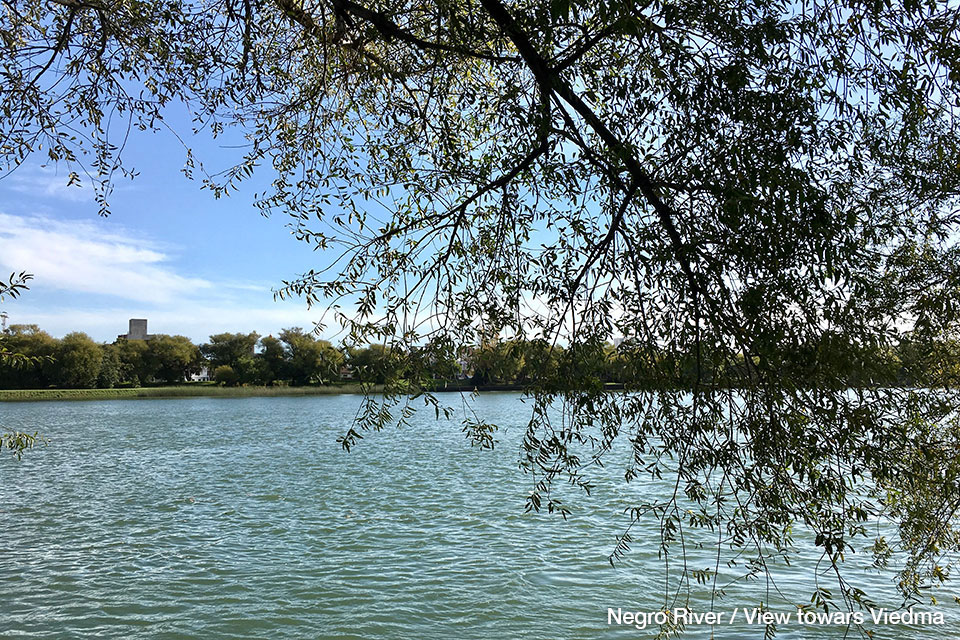
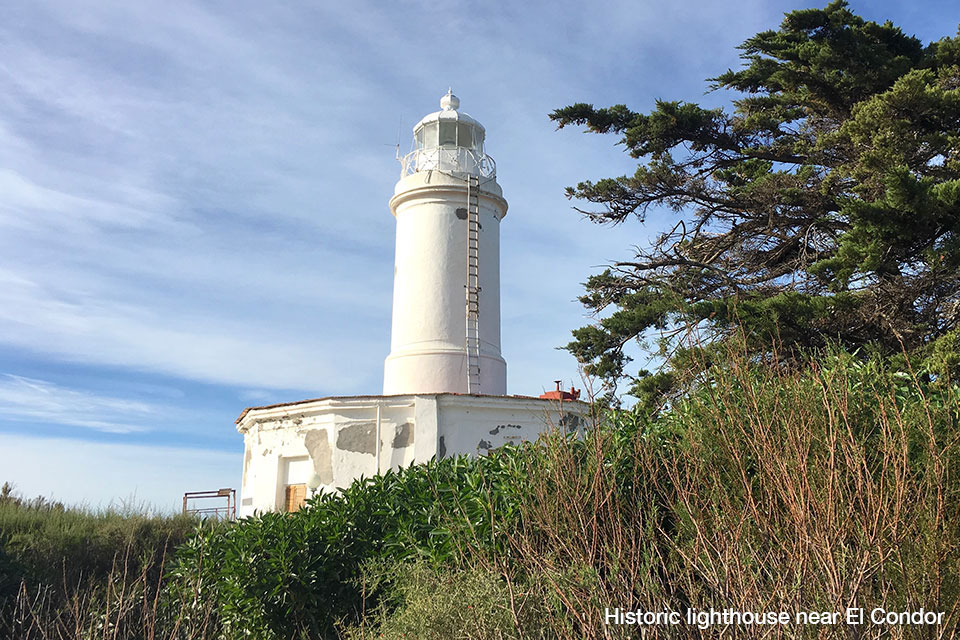
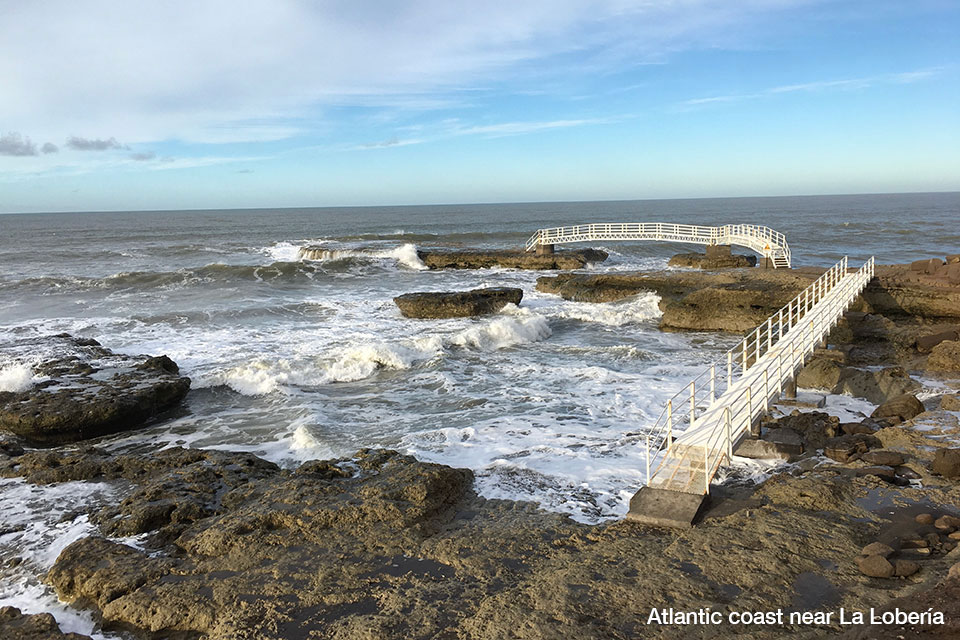
From three different trips, there are here photographs; first of the northern edge of Patagonia, at the point where the Río Negro flows into the Atlantic, near the cities of Viedma and Carmen de Patagones.
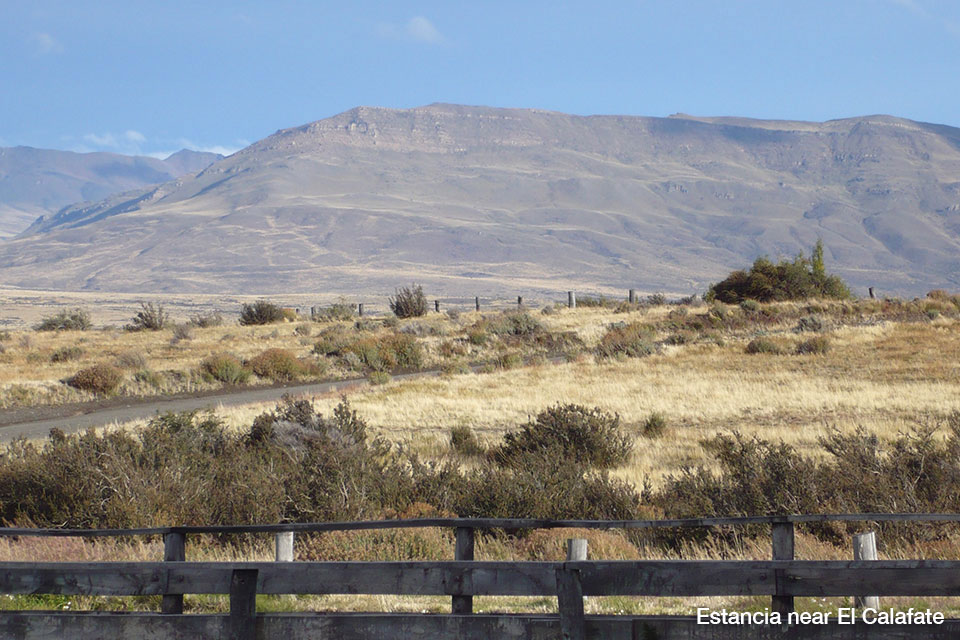
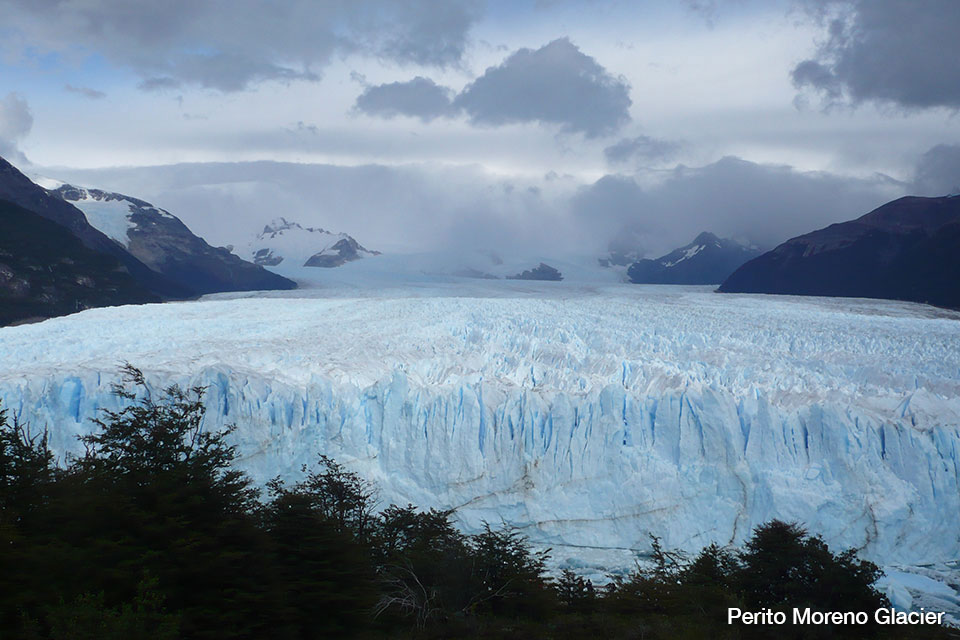
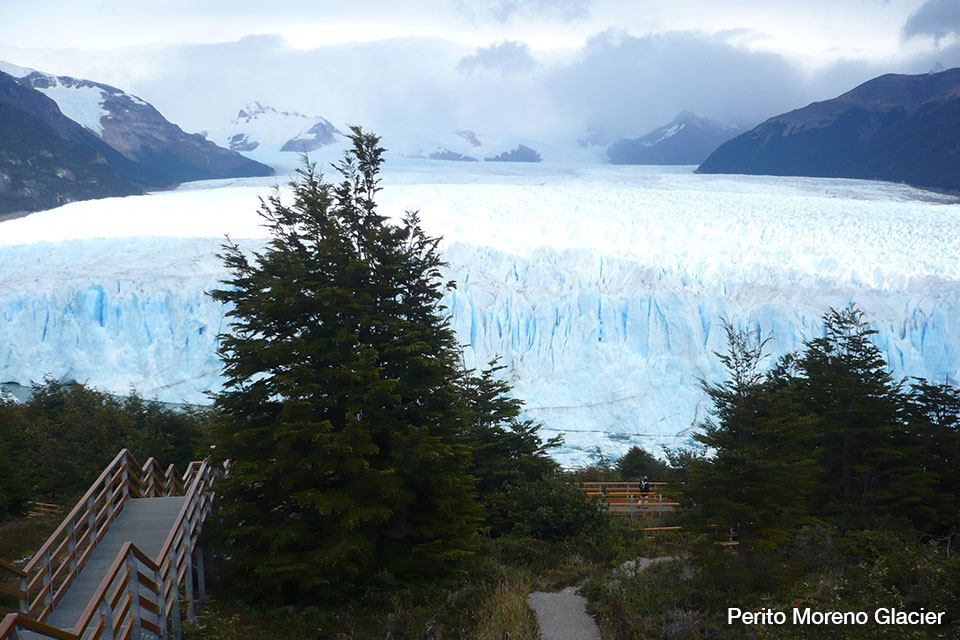
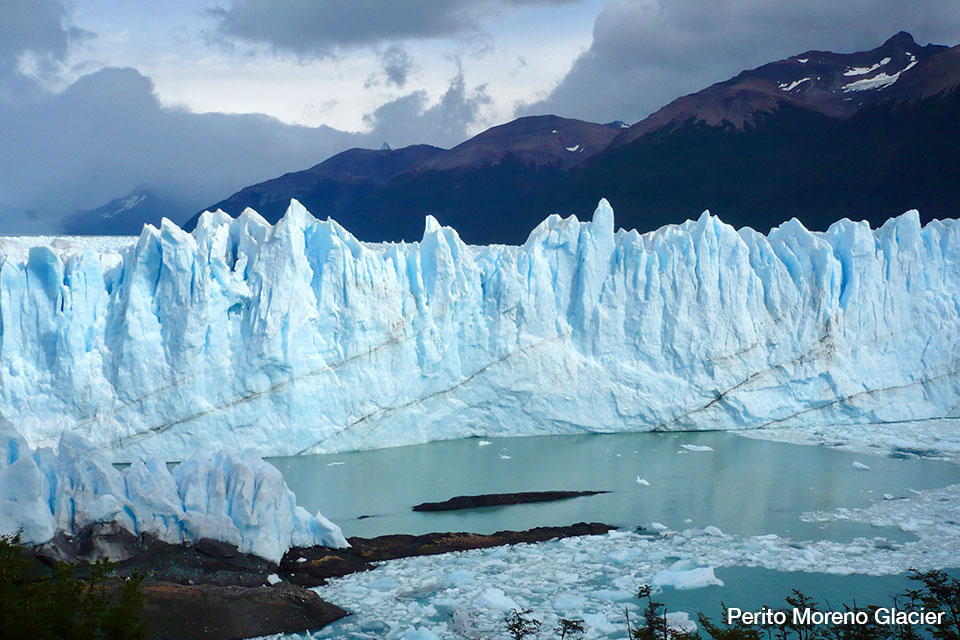
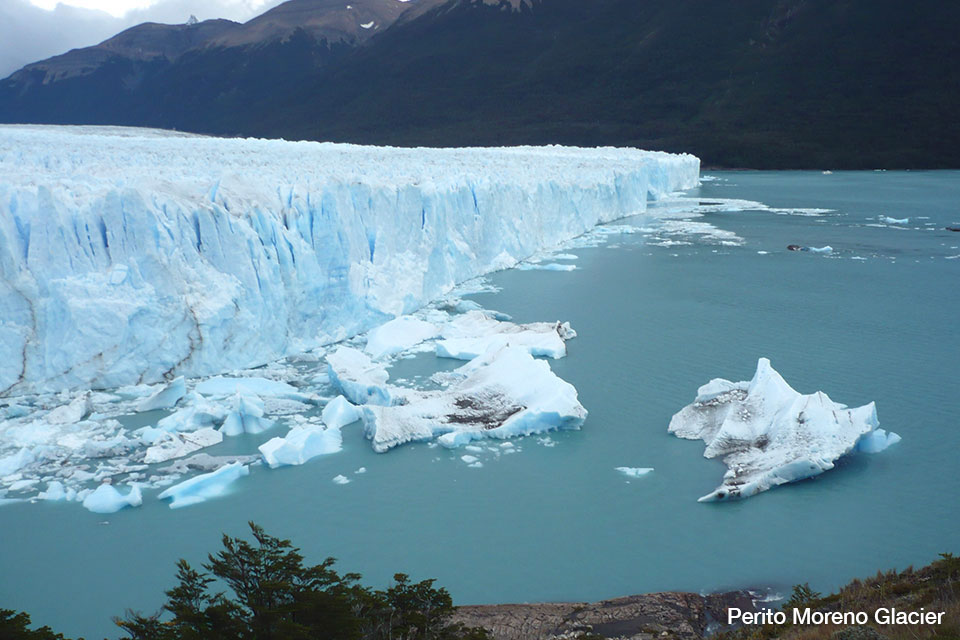
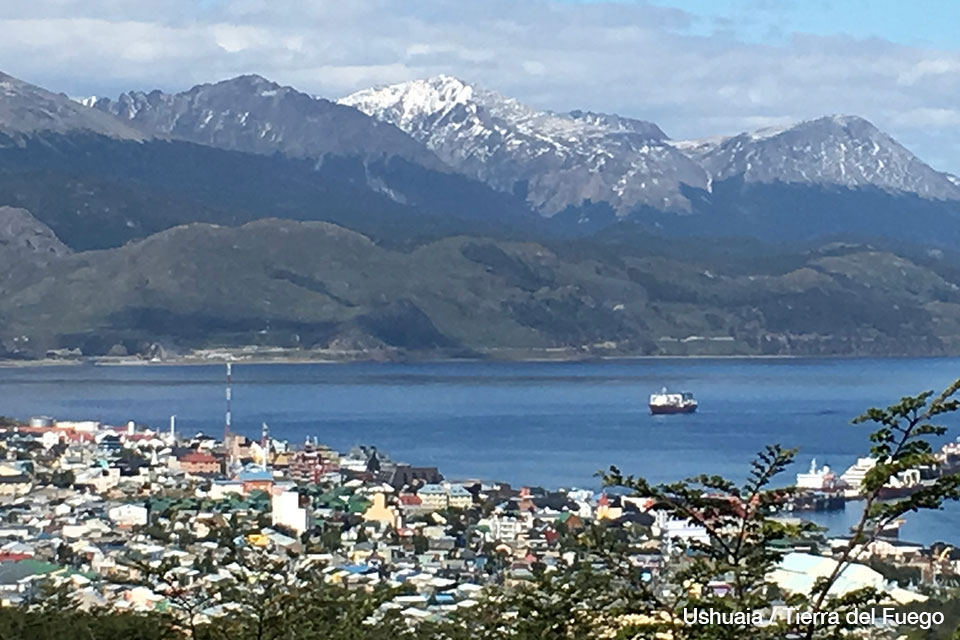
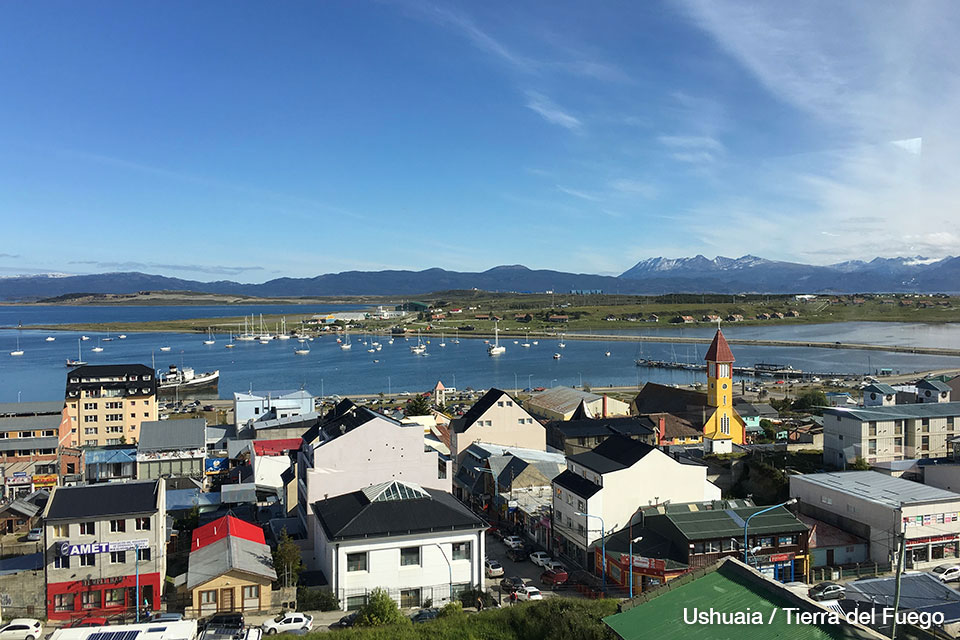
Then there are images of the Perito Moreno Glacier in El Calafate, in the southern part of Santa Cruz Province, perhaps the most famous tourist destination in the region, and finally some photographs of Ushuaia in Tierra del Fuego, known as “the southernmost city in the world.”
MANAOS
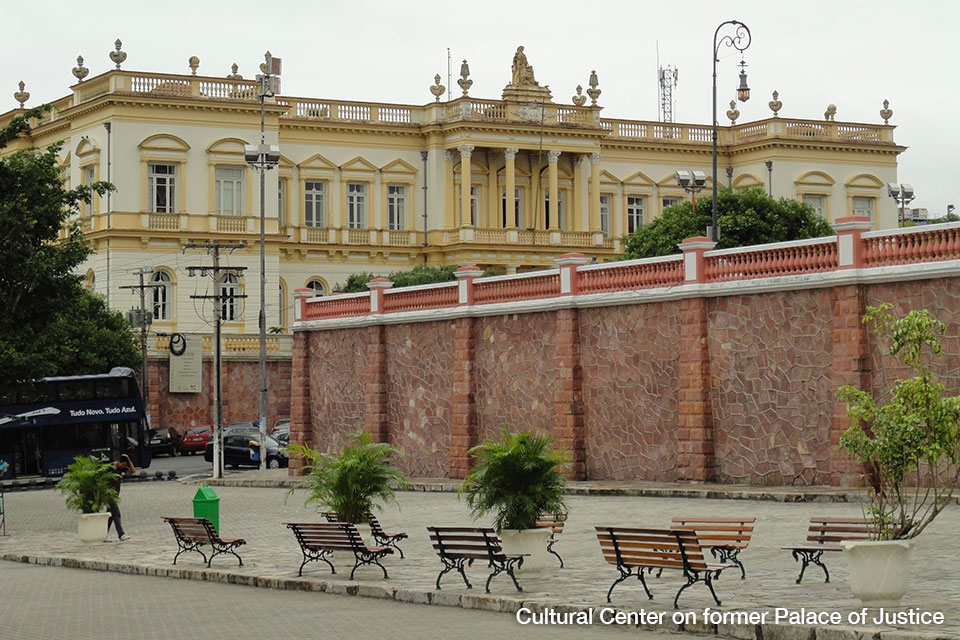
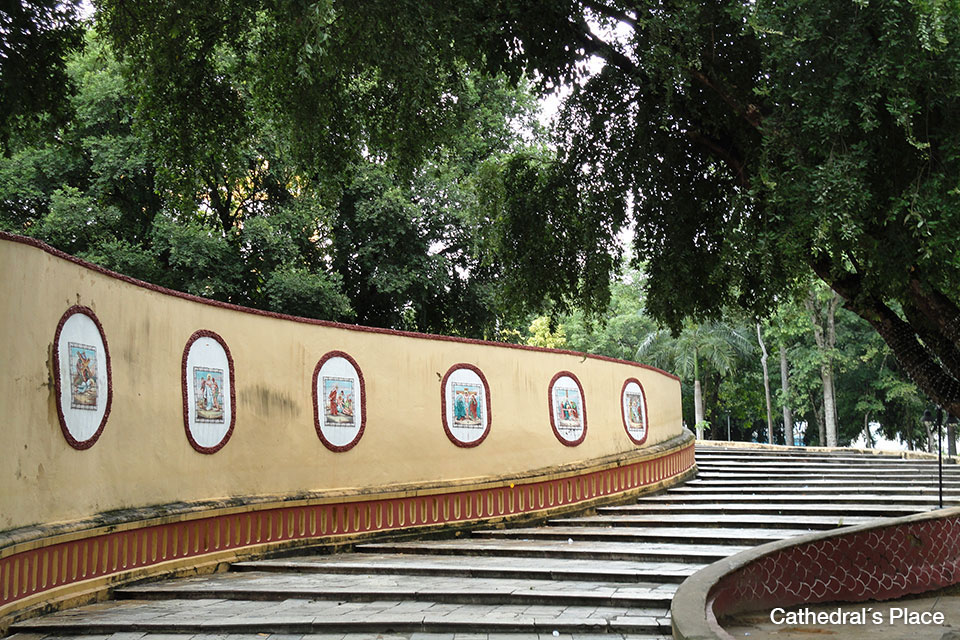
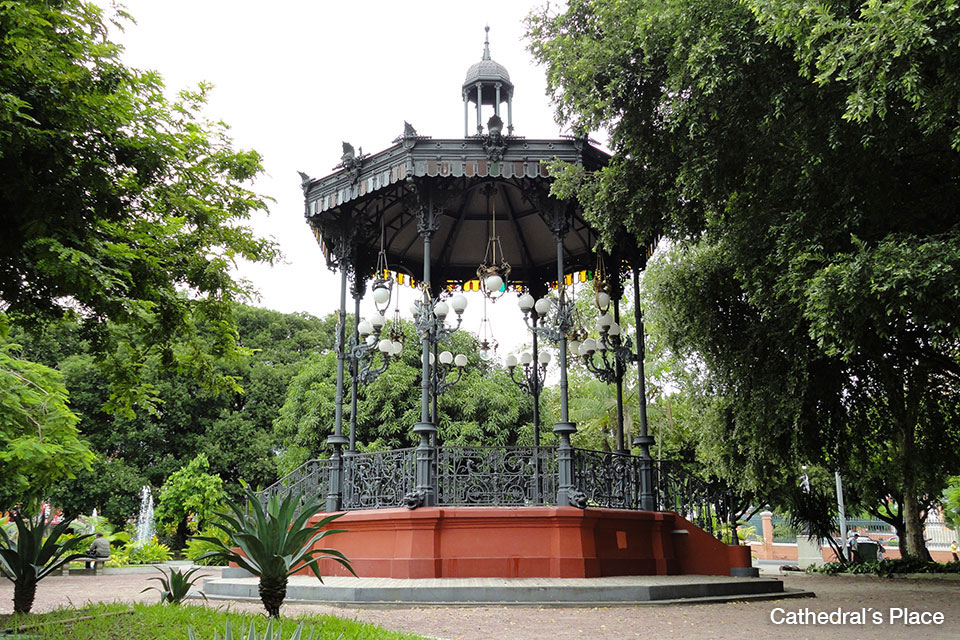
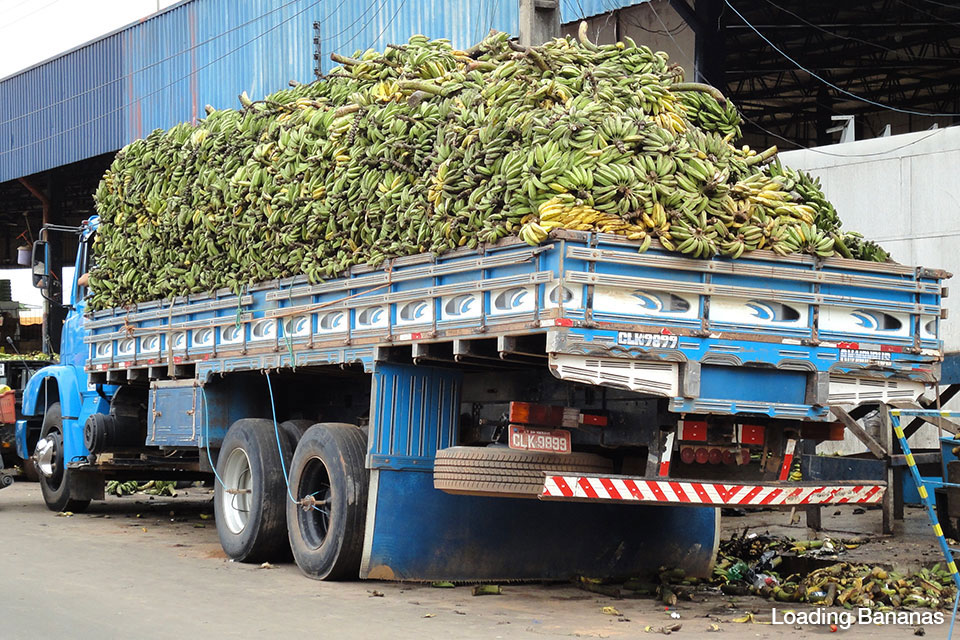
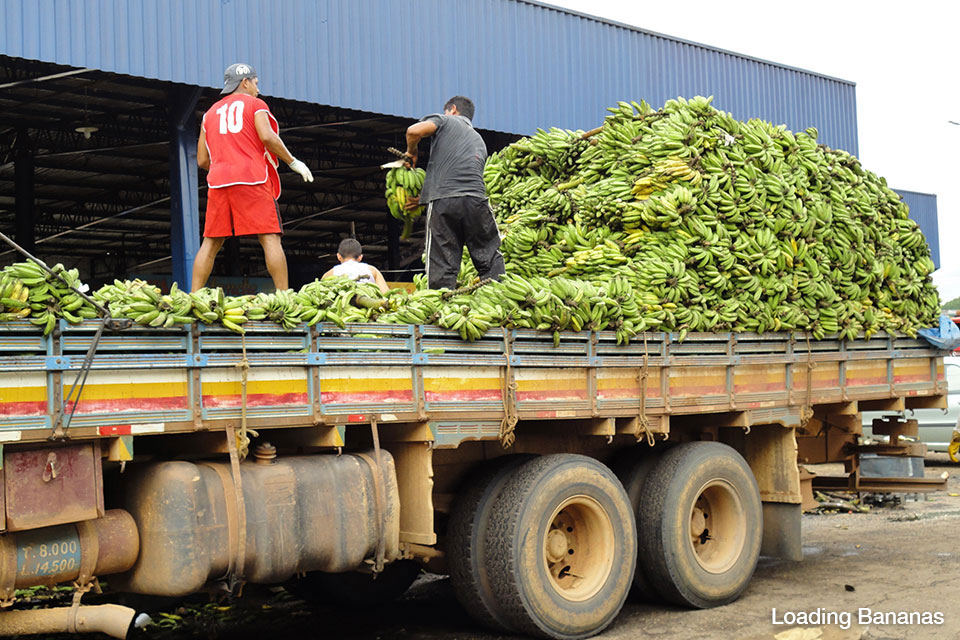
Manaos is a vast city in the heart of the Amazon Basin, with few remaining vestiges of the era of splendor brought by the wealth of natural rubber extraction in the jungle.
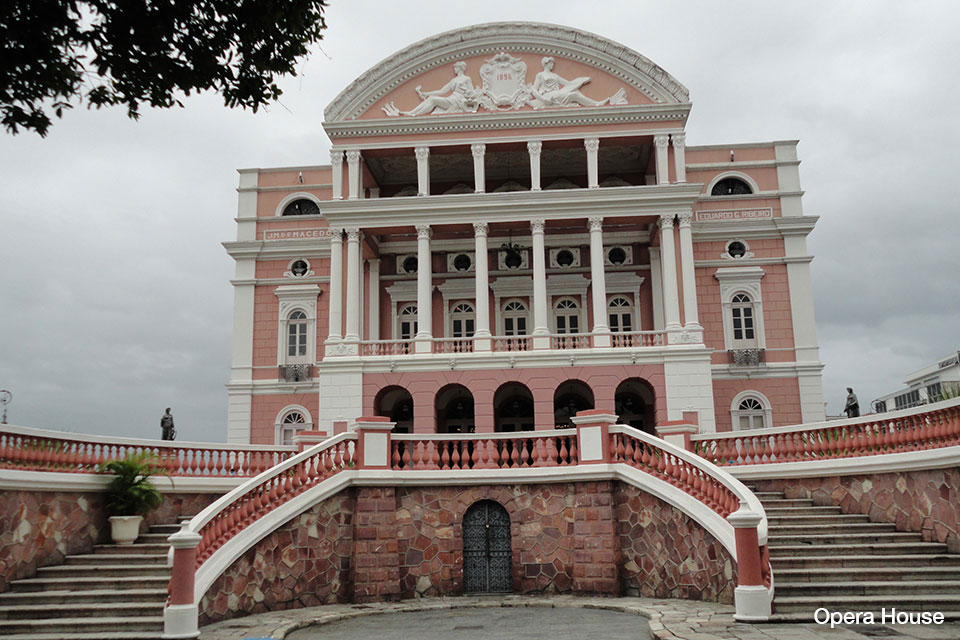
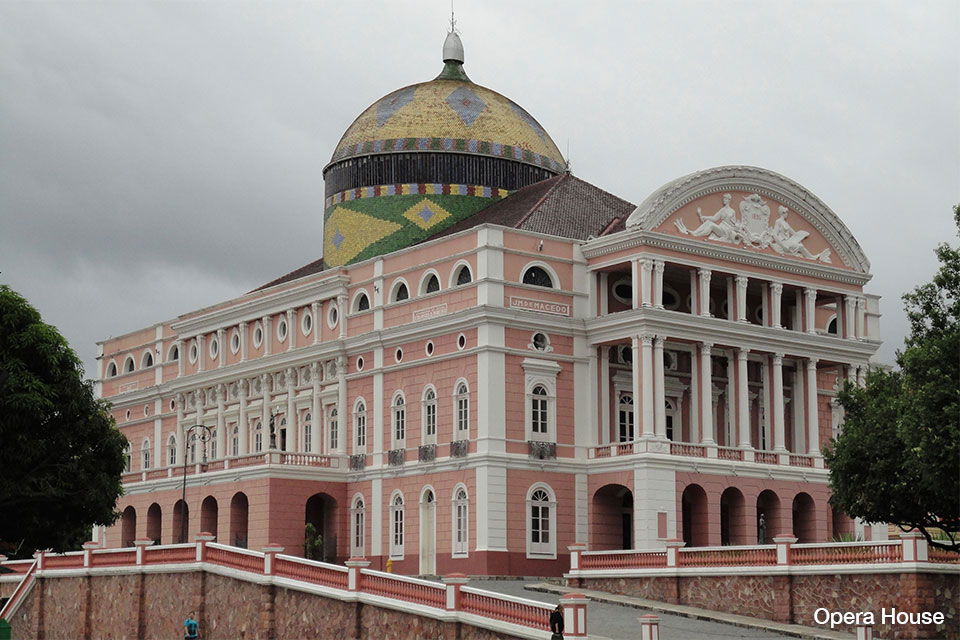
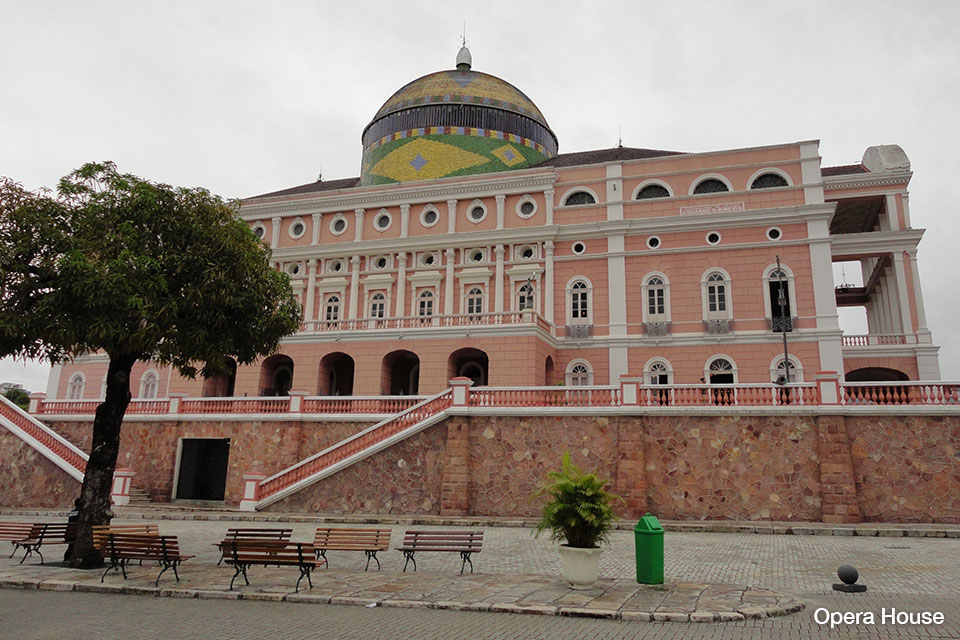
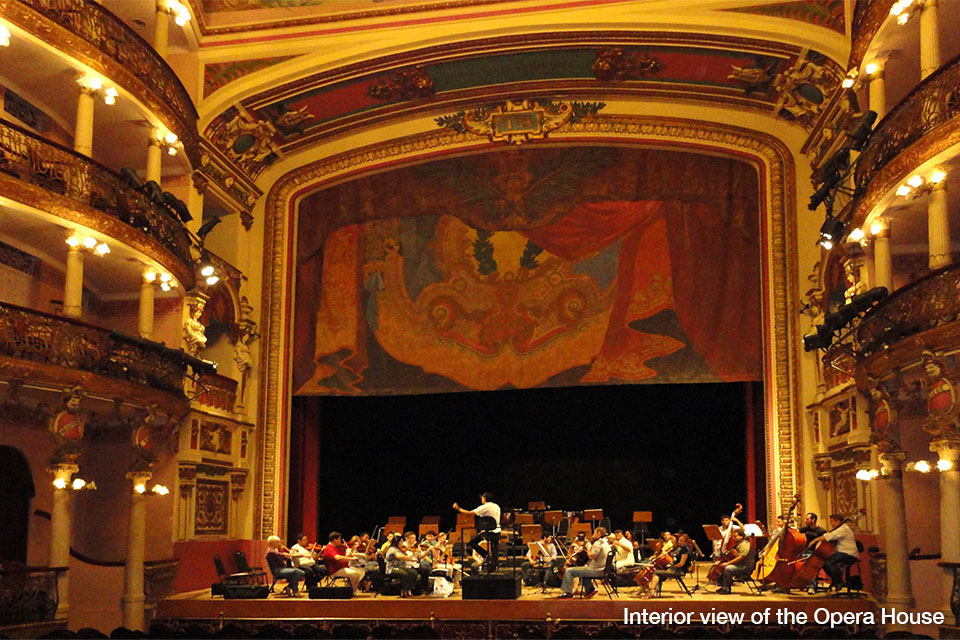
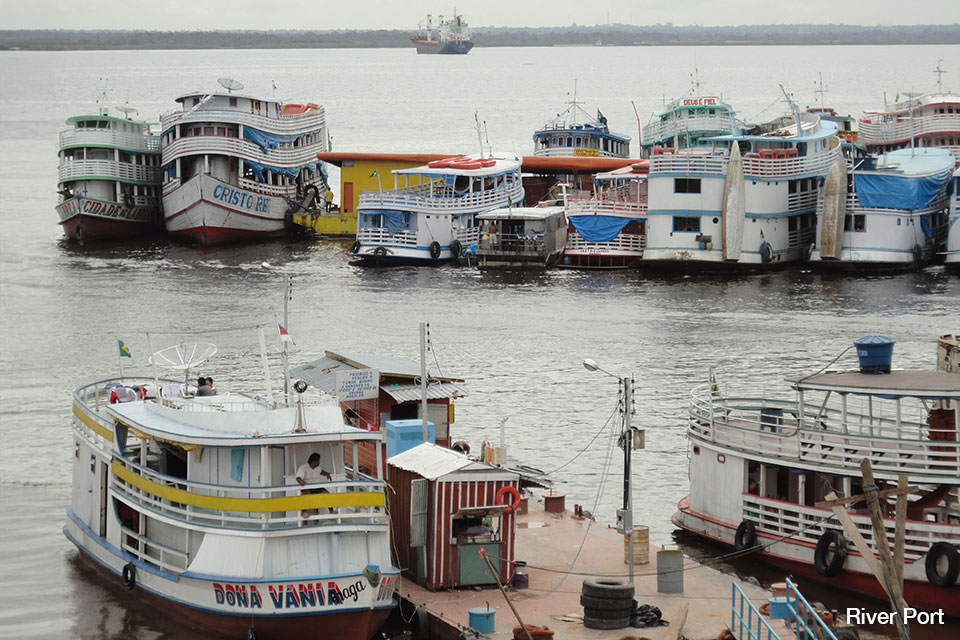
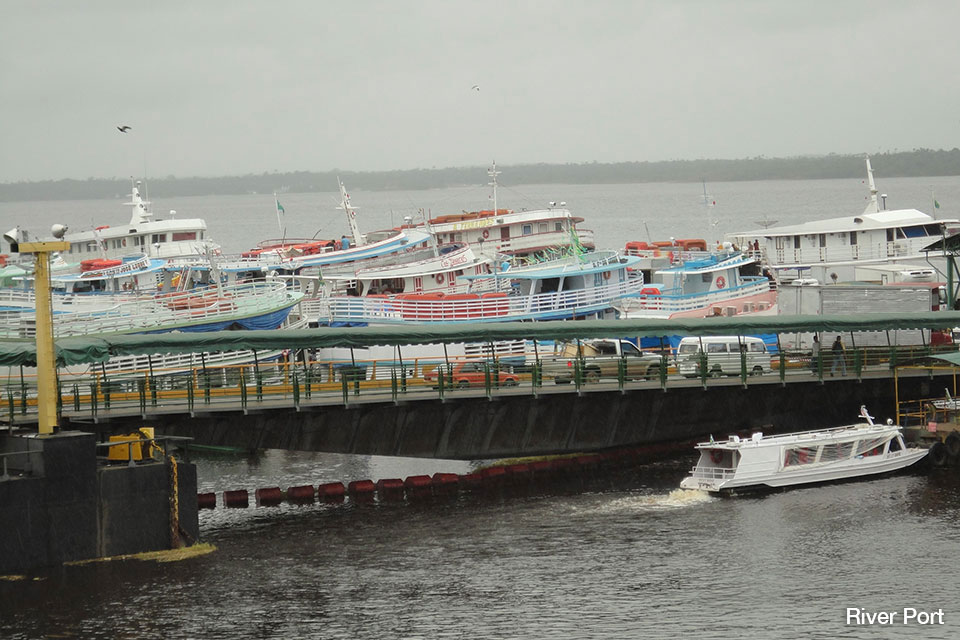
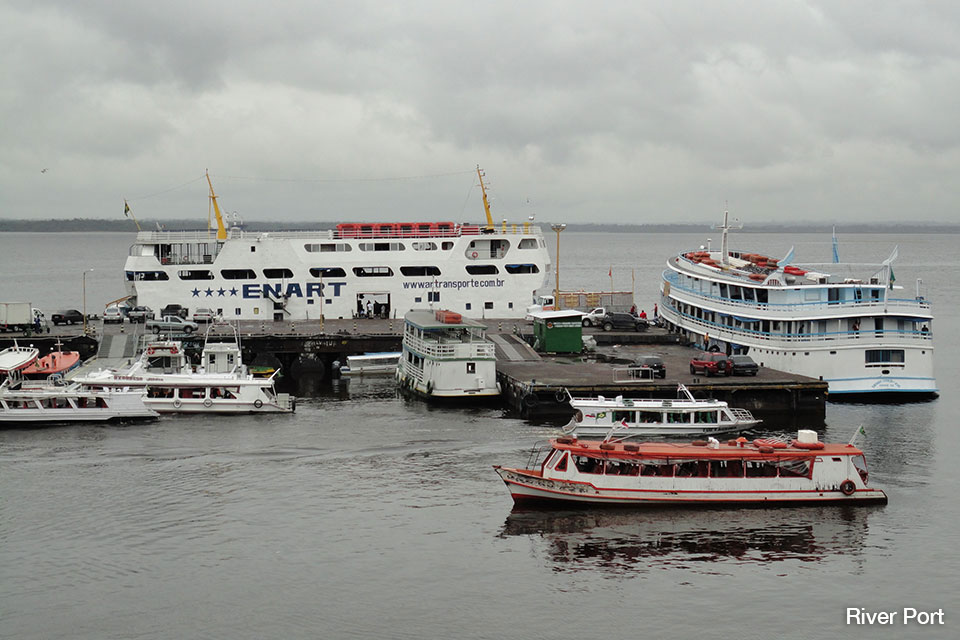
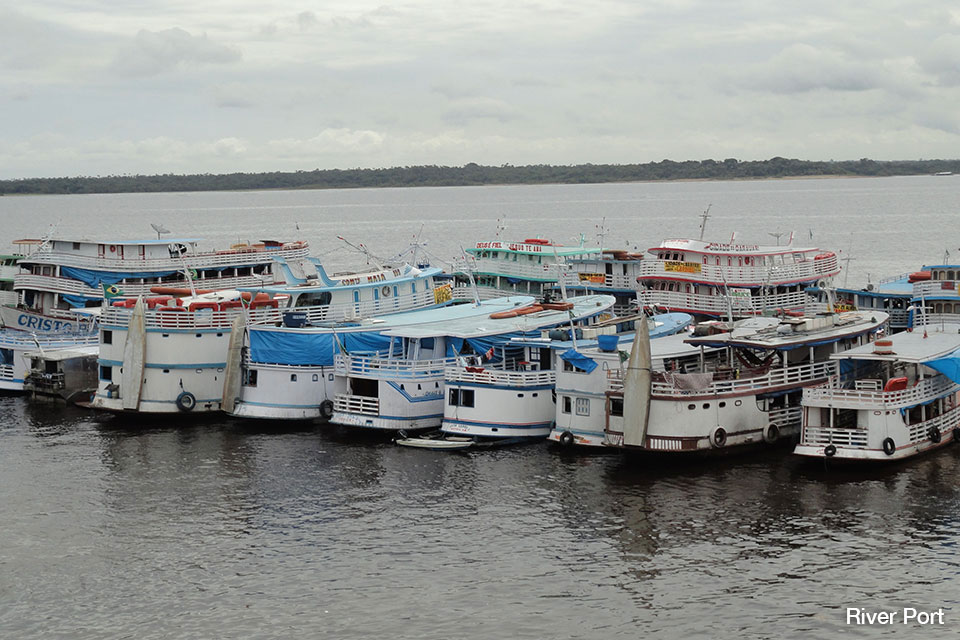
Its port is a hub of incessant river traffic, and many of the cargo and passenger boats (or barges) belong to evangelical organizations. The most remarkable part of the city is the area where the opera house stands, built during the age of opulence at the end of the 19th century. The architectural design of the building is extraordinarily well executed, as each of its four sides faces streets at different levels, enclosing the rectangle, and yet the result is an absolutely harmonious structure.
PARAMARIBO
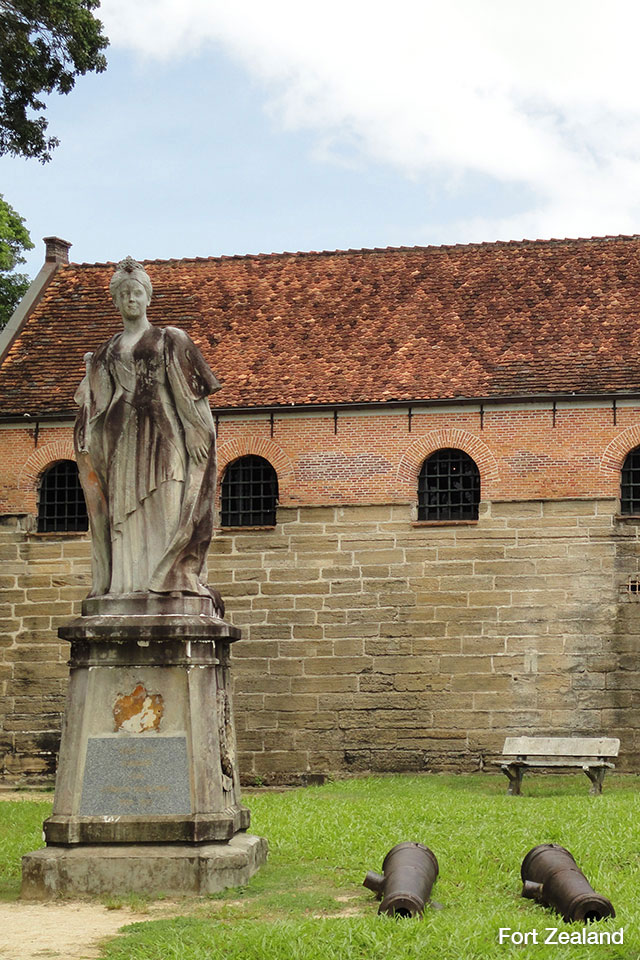
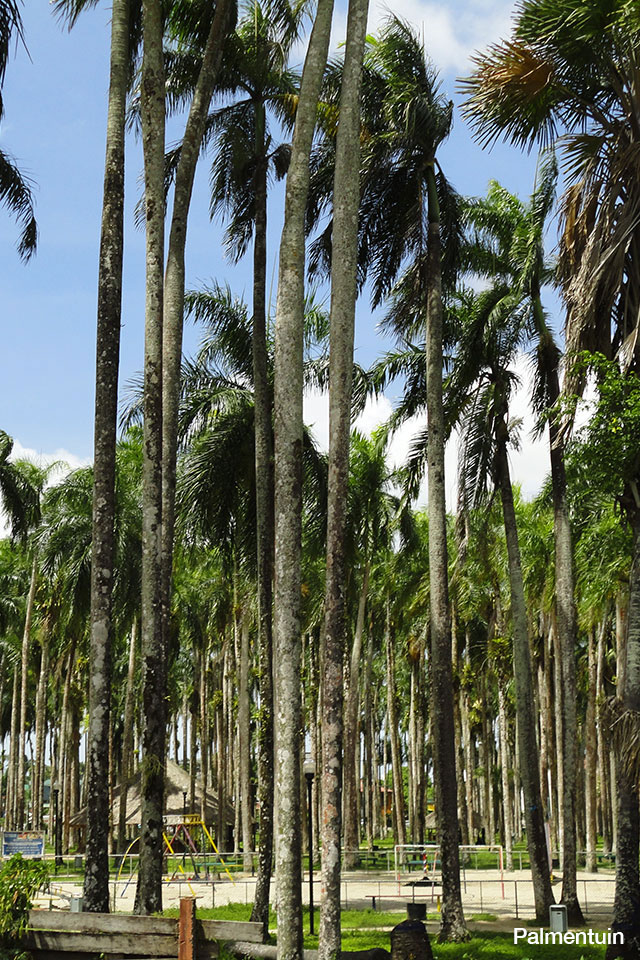
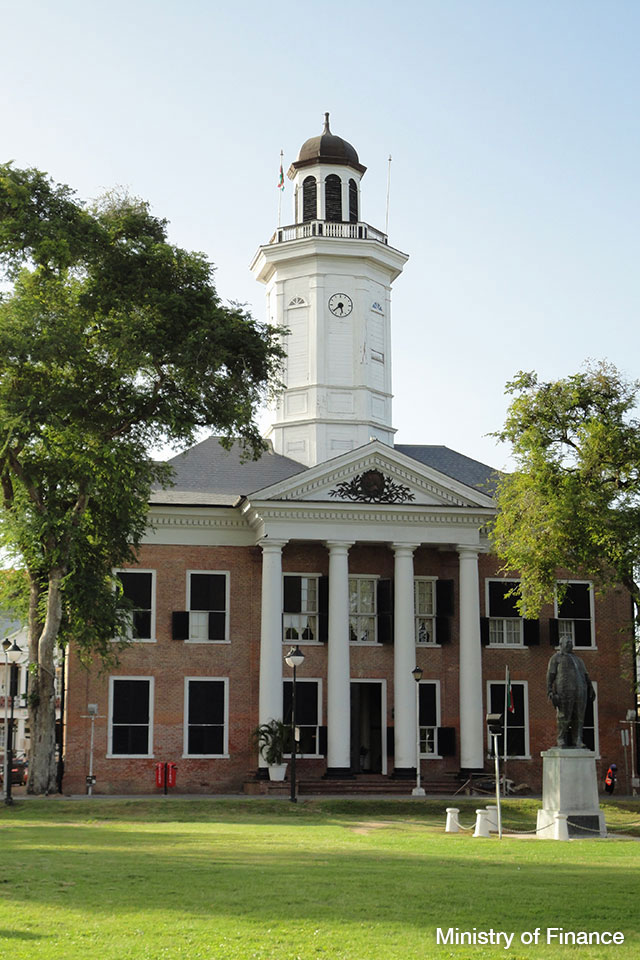
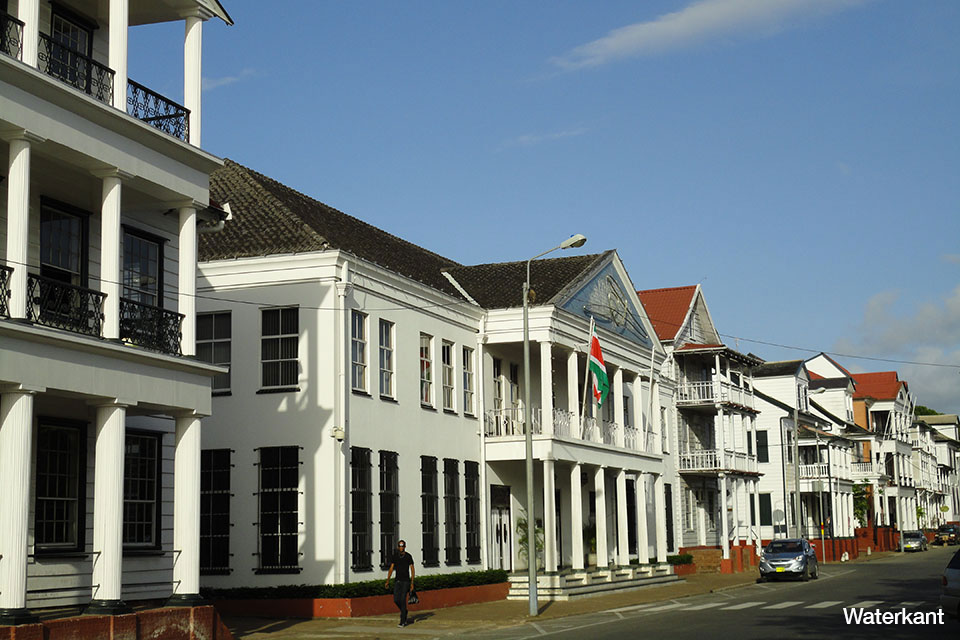
Paramaribo is the capital of Suriname. This city has no direct overland connection with the capitals of its neighboring territories. With both Guyana and French Guiana, the road comes to an end, and you have to cross the border by canoe or ferry.
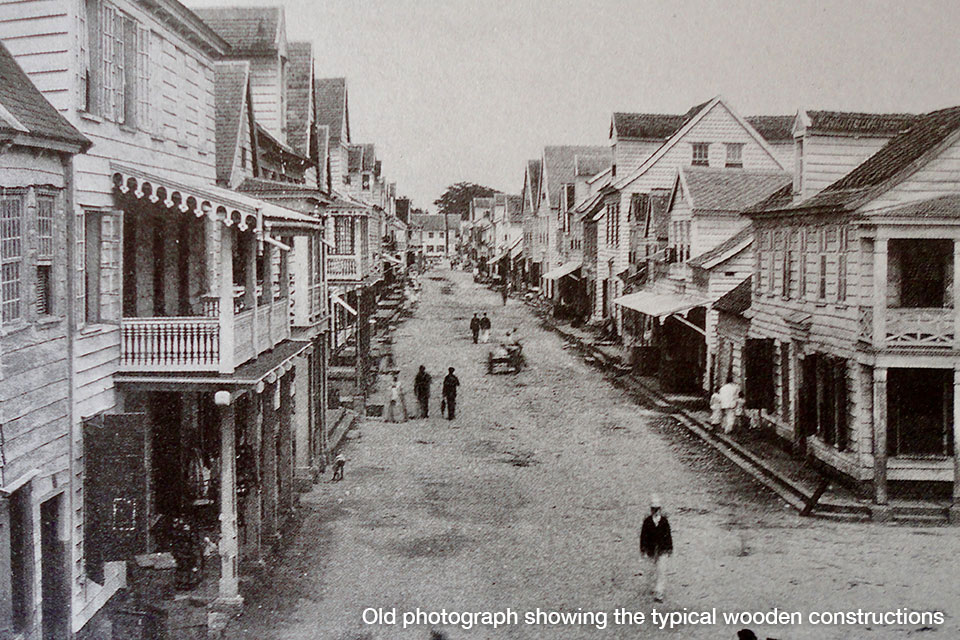
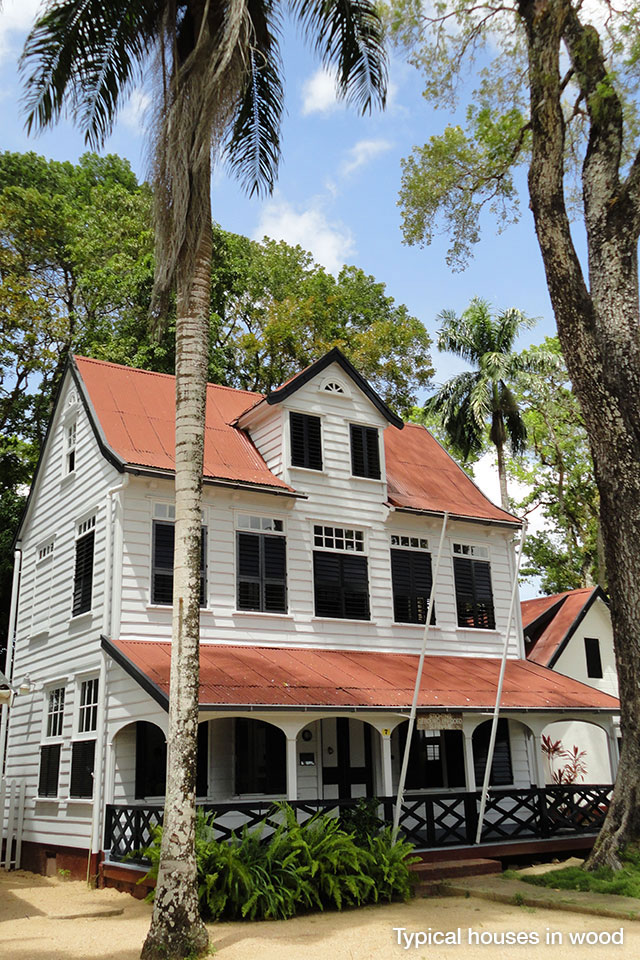
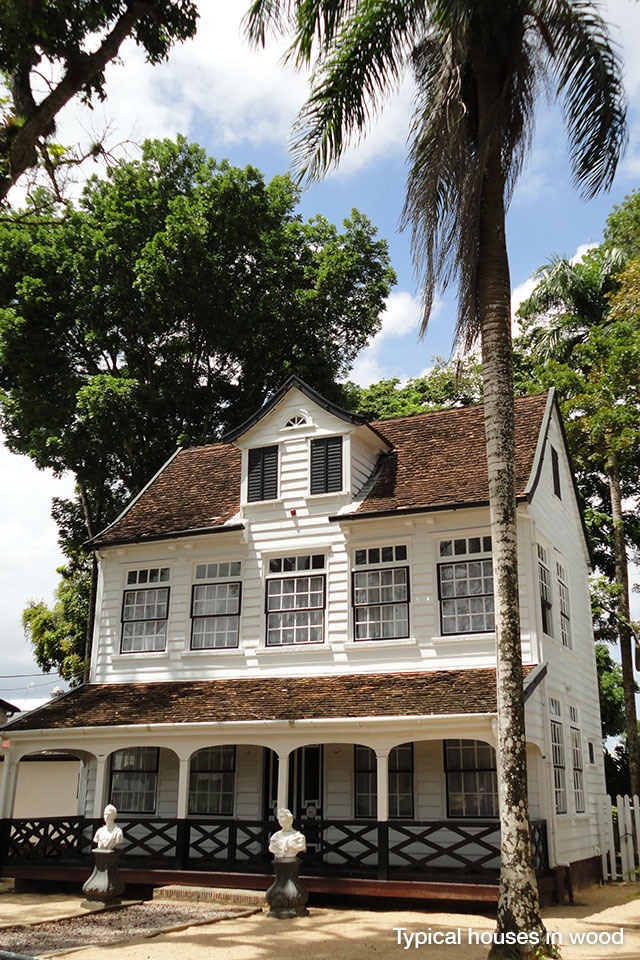
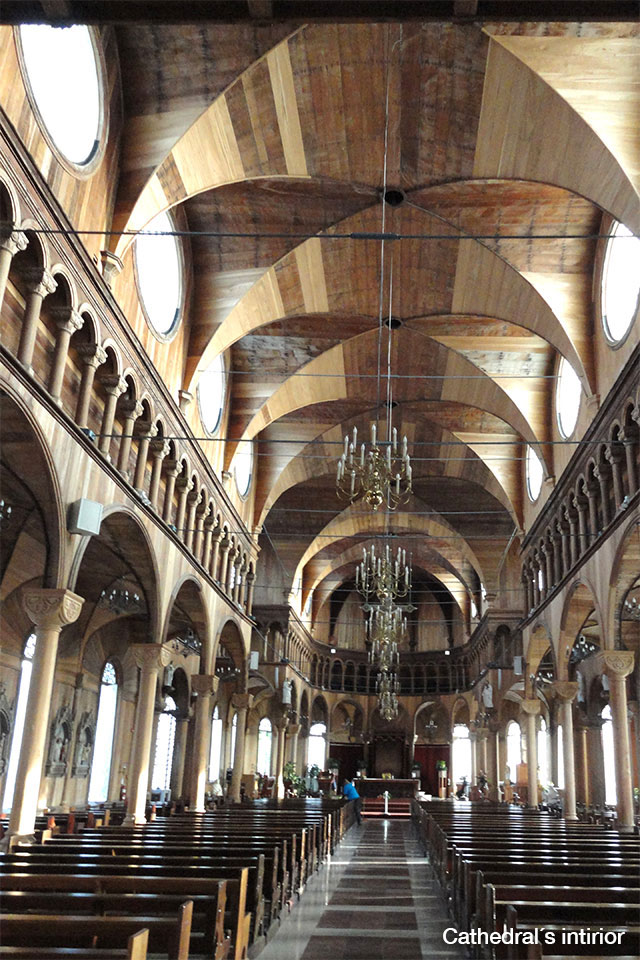
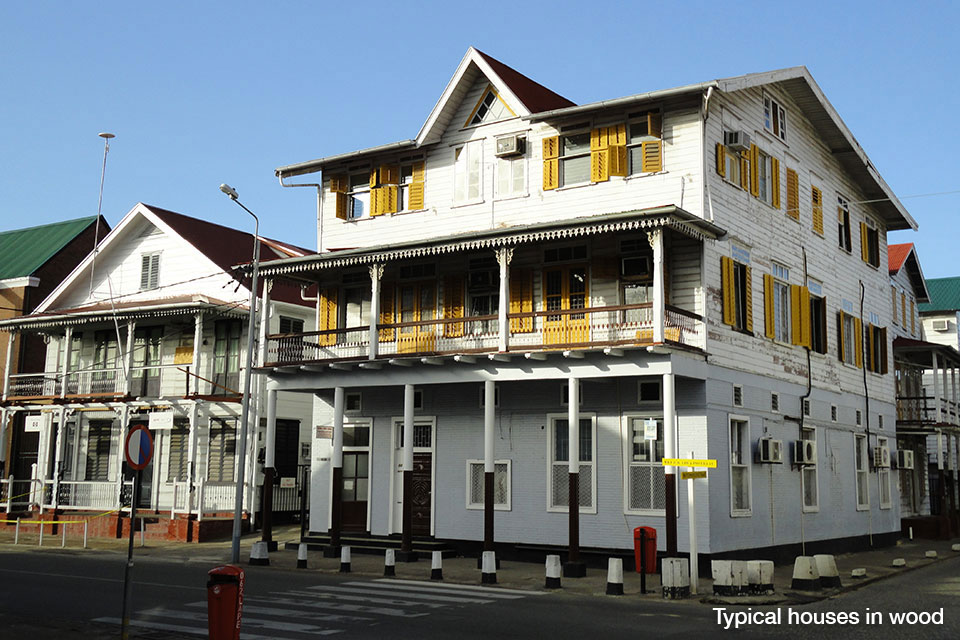
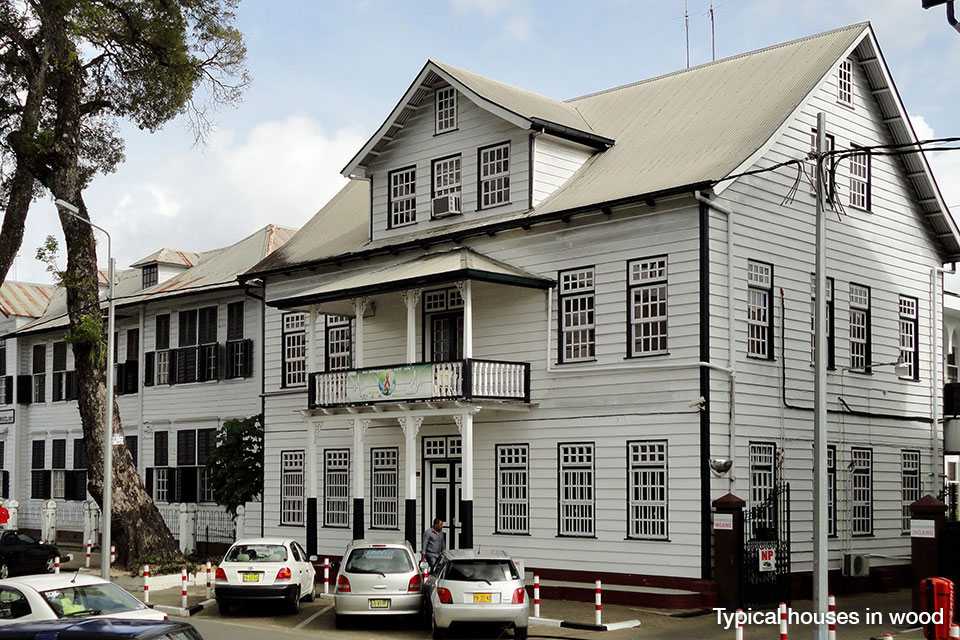
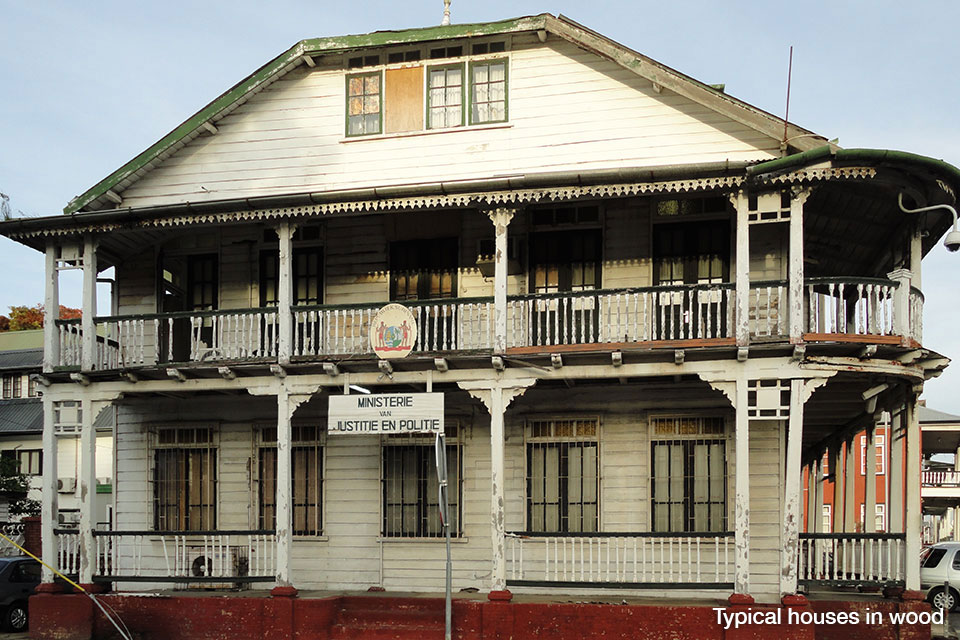
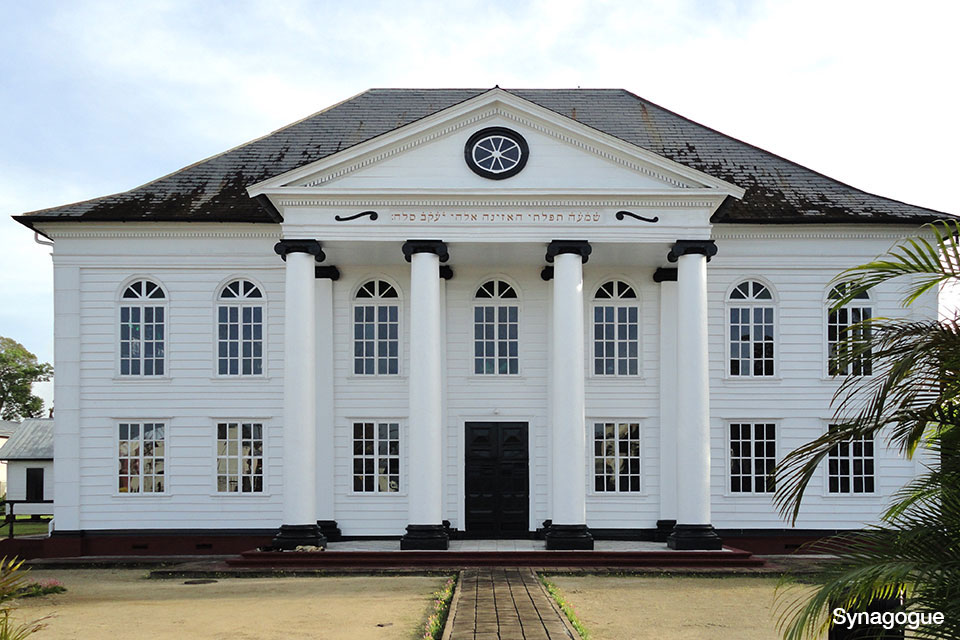
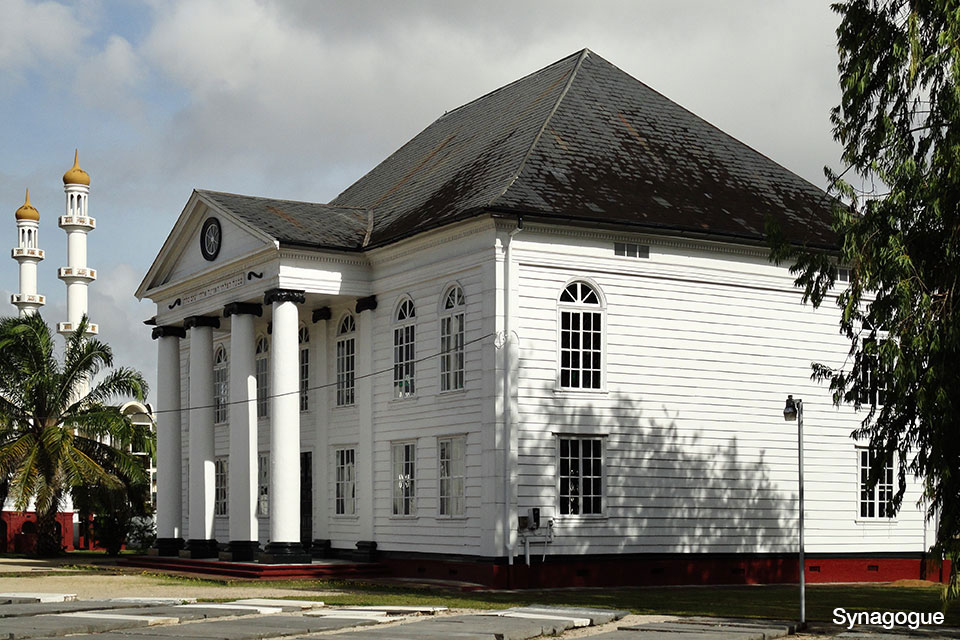
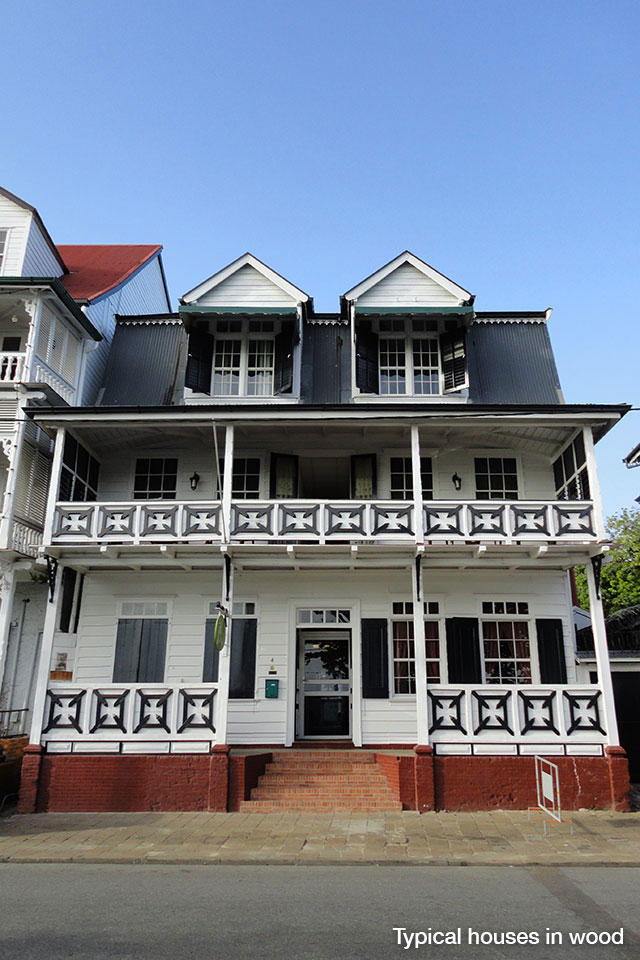
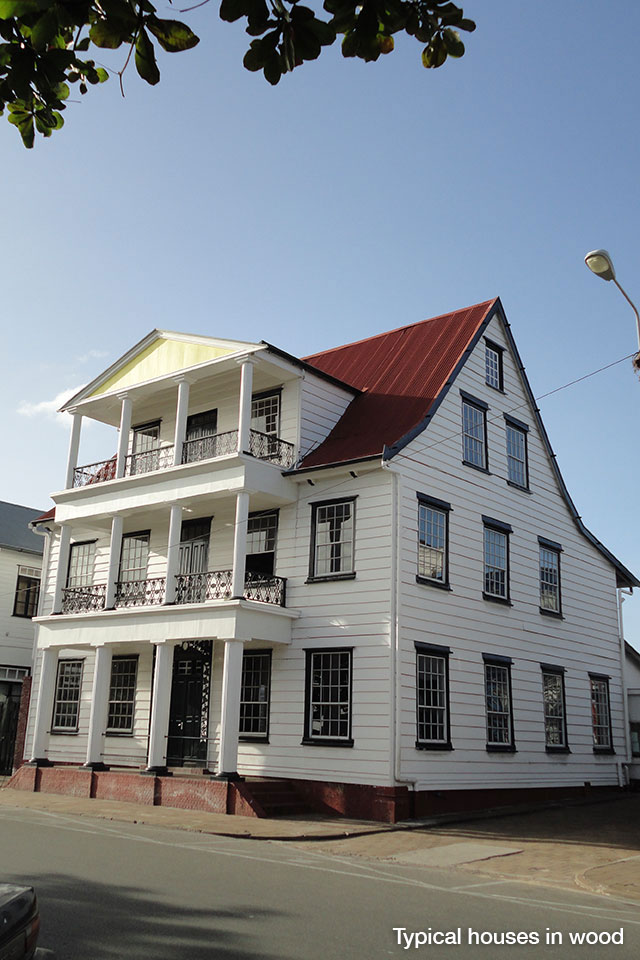
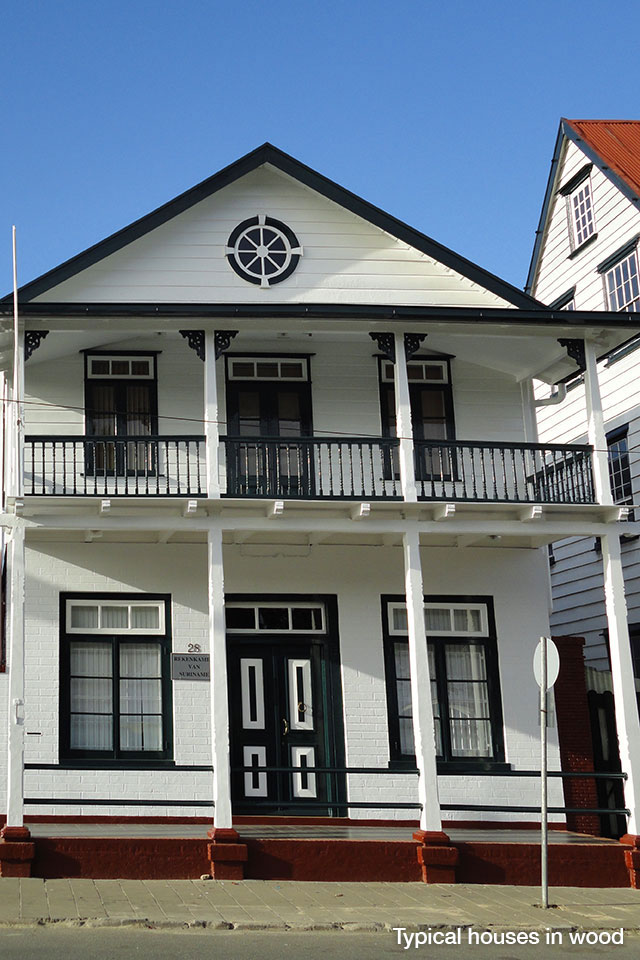
The city offers an incredible mix of races and languages and still preserves a fairly large area with many wooden buildings that follow the colonial styles imposed by the Dutch, back when Suriname was a colony of Holland.
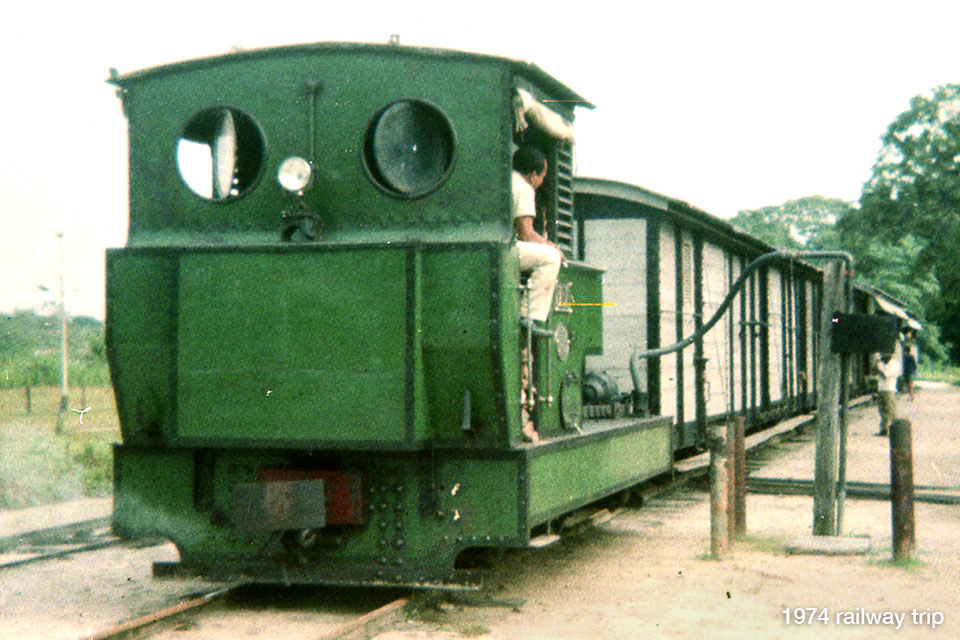
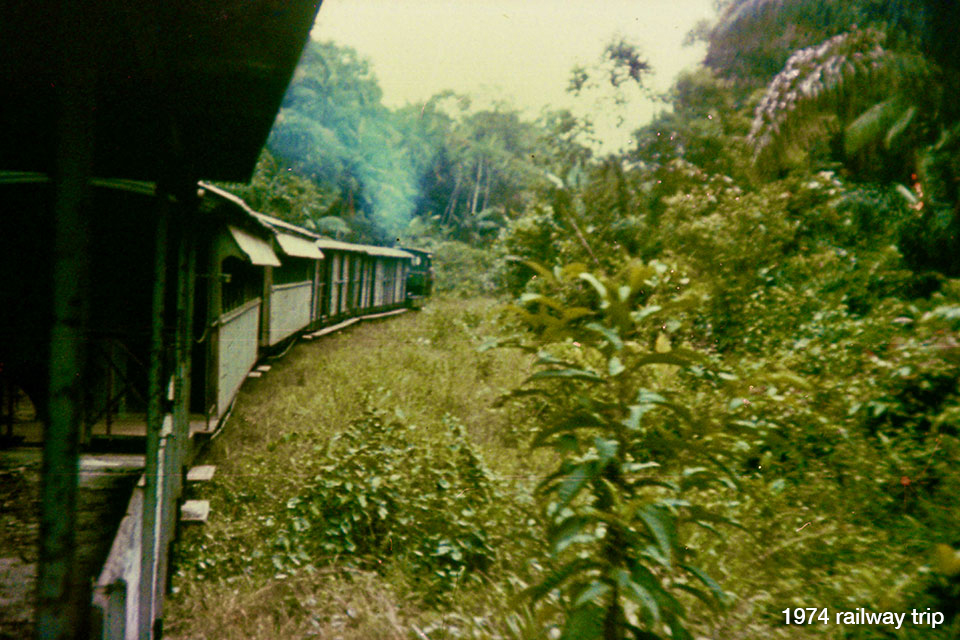
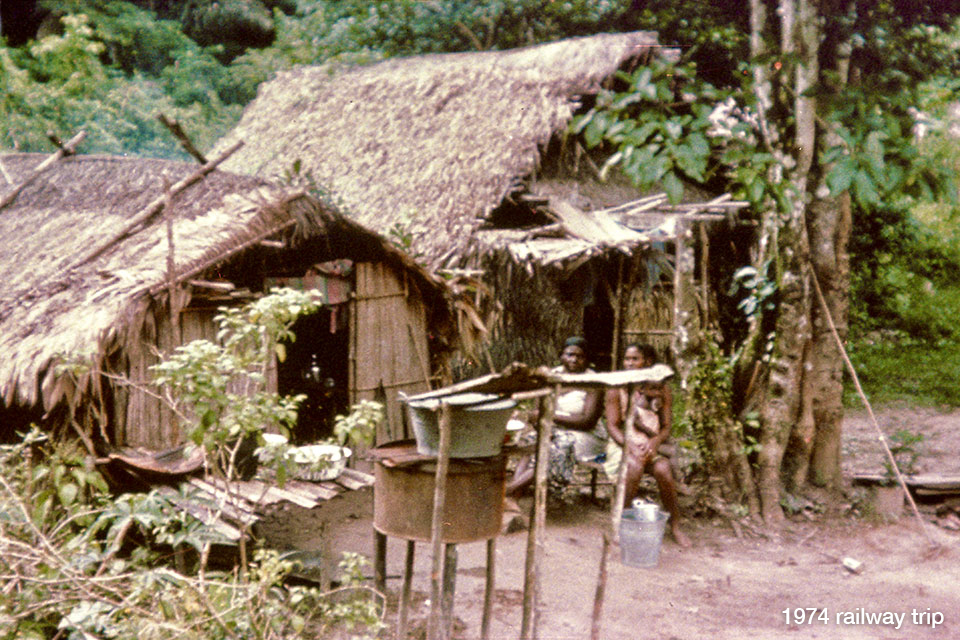
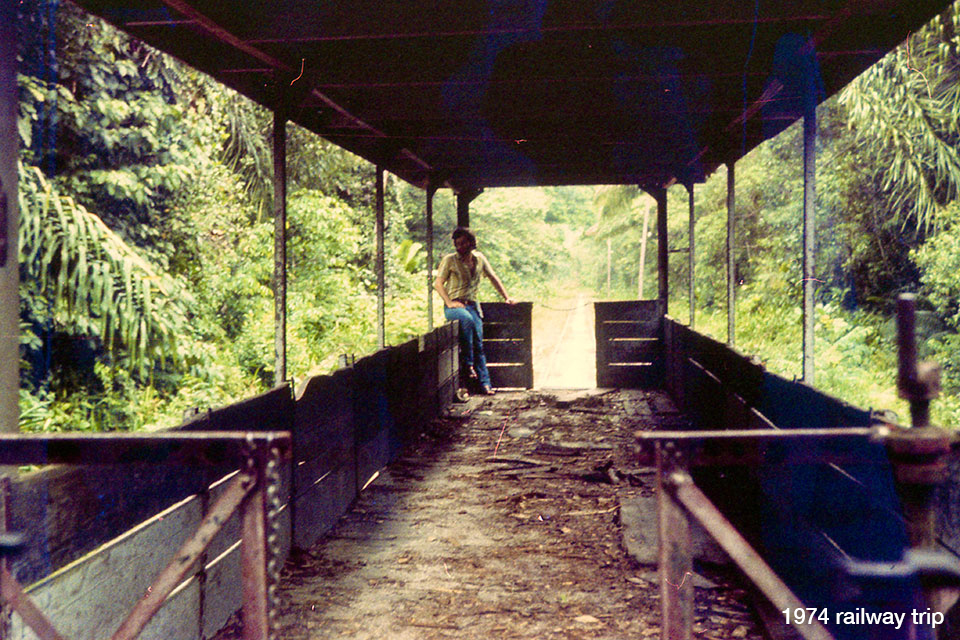
At the end of the series of photographs of Paramaribo, there are some rescued images from a fantastic train journey I took into the interior of the territory in 1974. That railway was dismantled only a few years after the country gained independence from the Netherlands.